
CAREER
Your career.
Optimized.
Join Exodraft and our shared
ambition to build the bridge to a CO₂-neutral
future with greener energy for everyone.
What Are the Top Efficient Energy Use Solutions?
Energy costs are rising, climate pressures are intensifying, and wasted power remains visible in ordinary places. An empty office may glow beneath dozens of ceiling lights. An aging air conditioner may run loudly while cooling very little. These details show why efficient energy use matters beyond environmental policy. It affects household budgets, industrial productivity, public health, and long-term energy security.
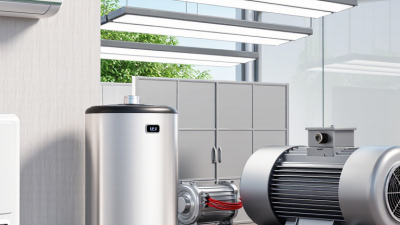
Dr. Fatih Birol, Executive Director of the International Energy Agency, has described efficiency as “the first fuel in the clean energy transition.” The phrase is practical, not merely symbolic. Better insulation can keep a bedroom warmer at night. Smart meters can reveal hidden consumption peaks. High-efficiency motors can reduce electricity demand across factories without reducing output. These solutions deserve careful evaluation, because performance depends on climate, building design, maintenance, and user behavior.
Small changes matter.
However, no solution works perfectly everywhere. Solar panels may produce less during cloudy periods. Smart systems can also confuse users when their controls are poorly designed. Efficient equipment may require higher upfront investment, which some families and businesses cannot easily afford. This article examines the top efficient energy use solutions through measurable savings, realistic implementation, and reliable evidence. It considers building upgrades, efficient appliances, industrial controls, renewable integration, and behavioral improvements. The goal is not to promise effortless savings. It is to identify choices that perform well in real conditions, while recognizing their costs, limits, and occasional failures.

What Efficient Energy Use Means and Why It Matters
Efficient energy use means getting the same comfort, mobility, or production with less energy. It is not simply turning everything off. A well-sealed window can keep a room comfortable while the heater runs less; a properly maintained motor can do the same work using less electricity. The International Energy Agency reported that global energy intensity improved by about 1% in 2023, below the roughly 2% annual average seen from 2010 to 2019. That gap shows why efficiency needs deliberate attention, not just better technology. Small changes count.
Why does it matter? The United Nations Environment Programme’s 2022 Global Status Report found that building operations accounted for about 30% of global final energy consumption. That makes insulation, efficient lighting, and sensible temperature controls practical opportunities in homes and workplaces. Lower demand can also reduce energy bills and ease pressure on power systems, especially during hot or cold peaks. The benefits are real, but results depend on how equipment is installed and used. A new efficient appliance may not save much if it is oversized or poorly maintained. I have to admit, energy labels alone can be confusing; real-world performance deserves more attention.
What Are the Top Efficient Energy Use Solutions?
Representative energy-use reductions from proven efficiency measures. Actual savings depend on equipment, climate, operating habits, and building conditions.
LEDs use at least 75% less energy than incandescent lighting. Smart thermostats can reduce heating and cooling energy use by about 8%, air sealing can reduce heating and cooling losses by up to 20%, and heat-pump water heaters can use approximately 50% less electricity than conventional electric-resistance models. These representative figures are based on guidance from the U.S. Department of Energy and ENERGY STAR.
How to Assess Energy Consumption and Identify Waste
A useful energy assessment begins with bills, meter readings, and a walk through the building. Compare monthly use across seasons, while noting changes in occupancy, operating hours, or weather. A cold week can raise heating demand; it does not automatically mean equipment is wasteful. Start with evidence.
Record electricity and fuel use at consistent intervals, then compare similar days or weeks. If a meter provides hourly data, look for overnight consumption when rooms are empty. A steady load may come from ventilation, refrigeration, network equipment, or devices left on. Small clues matter. Check schedules before assuming a machine is faulty.
Walk through each space and note lights glowing in daylight, warm air escaping around doors, or motors running without a clear need. Use a plug-in meter for suitable small appliances, and have qualified staff assess fixed electrical systems. Estimates can be wrong, especially when several devices share one circuit. Keep a simple log of readings, locations, and operating conditions. Review unusual spikes against maintenance records and occupancy changes. Then investigate the largest verified losses first, rather than replacing equipment based on a quick glance.
What Are the Top Efficient Energy Use Solutions? — How to Assess Energy Consumption and Identify Waste
| Solution | What to Measure | How to Identify Waste | Practical Action | Useful Indicator |
|---|---|---|---|---|
| Energy audit and submetering | Whole-building electricity and fuel use, plus consumption by major systems or areas. | Compare meter readings with operating hours, occupancy, production, and historical bills; investigate unexplained increases. | Record a baseline, install submeters where appropriate, and review usage regularly. | Energy use by end use, area, or unit of production. |
| Lighting upgrades and controls | Lighting circuit consumption, hours of operation, and the amount of daylight available. | Look for lights operating in empty spaces, during daylight, or outside required hours. | Use efficient LED lighting where suitable, occupancy sensors, timers, and daylight controls. | Lighting energy use per floor area and hours of unnecessary operation. |
| Heating and cooling optimization | Heating and cooling energy, indoor temperatures, schedules, and equipment run times. | Check for simultaneous heating and cooling, excessive runtime, poorly timed schedules, or setpoints that do not match occupancy needs. | Review schedules and setpoints; maintain equipment and use zone controls where practical. | Energy use per floor area, adjusted for weather where possible. |
| Building envelope improvements | Heating and cooling demand, indoor temperature stability, and signs of drafts or moisture. | Inspect windows, doors, insulation, and seals for air leakage or uneven temperatures. | Seal avoidable air leaks and improve insulation or glazing based on an assessment of the building. | Heating and cooling demand before and after improvements. |
| Motor and equipment efficiency | Equipment power draw, operating hours, load, and idle time. | Identify motors or machines running unloaded, oversized for their task, or left on between uses. | Switch off idle equipment, improve maintenance, and assess efficient replacements or variable-speed control. | Energy consumed per operating hour or unit of output. |
| Compressed air leak reduction | Compressor electricity use, pressure, operating cycles, and demand during non-production periods. | Listen for leaks and compare compressor activity during operating and shutdown periods. | Repair leaks, reduce pressure to the lowest suitable level, and avoid using compressed air for tasks better served by alternatives. | Compressor energy use and off-hours running time. |
| Standby power management | Overnight or non-operating electricity use by office and process equipment. | Compare after-hours consumption with the loads that must remain on for safety or essential operations. | Use shutdown procedures, timers, or switched power strips for suitable nonessential equipment. | Electricity use during unoccupied hours. |
| Ongoing monitoring and review | Energy use over time, relevant operating conditions, and progress against a defined baseline. | Flag unexpected spikes, recurring overnight loads, and consumption that rises without a corresponding change in activity. | Review bills and meter data on a regular schedule, assign responsibility, and verify the effect of changes. | Change in energy use against a comparable baseline. |
Top Solutions for Improving Energy Efficiency
Improving energy efficiency starts with measuring where energy goes. A recent utility review or a simple monthly comparison can reveal unusual spikes. In many buildings, heating, cooling, lighting, and hot water consume the largest share. Insulating roof spaces and sealing gaps around doors can reduce heat loss noticeably. Efficient lighting also helps, especially in corridors and rooms used for long hours. However, replacing every fixture at once may waste usable equipment and money.
Tips: Begin with an energy audit. Check temperature settings, airflow, and insulation. Clean filters regularly. Use timers in low-traffic areas. Track electricity use after each change. Small measurements matter.
Heating and cooling systems deserve careful attention. A programmable control system can prevent empty rooms from being conditioned unnecessarily. Regular maintenance keeps equipment working efficiently and safely. In older buildings, upgrading windows may help, but the payback period can be longer than expected. I have seen projects focus on visible upgrades while ignoring poor ventilation or leaking ducts. That mistake weakens the result. Energy efficiency is not only about buying new technology; it also depends on correct installation, daily habits, and honest performance checks. A professional assessment can identify priorities, estimate savings, and reduce the risk of costly decisions. Some solutions look efficient on paper. Real performance can differ.
How Technology and Renewable Energy Reduce Energy Use
Efficient energy use now depends on smarter technology and cleaner power. Smart meters track electricity patterns in near real time. They can reveal waste from idle equipment, poor insulation, or evening demand spikes. Automated controls then adjust lighting, heating, and cooling according to occupancy. A vacant meeting room should not consume energy like a full office. Simple sensors can prevent that waste.
Renewable energy makes these savings more meaningful. Solar panels can supply daytime electricity, while batteries store surplus power for evening use. Heat pumps transfer existing heat instead of creating it through fuel combustion. In well-insulated buildings, this approach can reduce heating demand considerably. However, technology alone does not solve every problem. Poor installation, shaded panels, or oversized equipment may reduce performance. The numbers can surprise you.
A practical energy audit should examine monthly bills, equipment age, room temperature, and operating schedules. Small changes matter. Replacing inefficient lighting, sealing window gaps, and adjusting thermostats can produce measurable results. Digital dashboards also help maintenance teams notice unusual consumption before costs rise. Yet constant monitoring may become distracting, and not every household can afford advanced systems. A staged plan is often more realistic: reduce basic waste, improve efficiency, then add renewable generation. Local weather, building design, and electricity prices should guide each decision. There is no universal solution.
How to Implement and Measure Energy Efficiency Improvements
What Are the Top Efficient Energy Use Solutions?
How to Implement and Measure Energy Efficiency Improvements
Energy efficiency improves when actions are measured, not merely announced. The International Energy Agency reported a 2.2% global energy-intensity improvement in 2022. However, its Energy Efficiency 2023 report states that annual progress must reach about 4% to support the global 2030 ambition. This gap makes accurate implementation essential.
Begin with a 12-month energy baseline, using utility bills, meter readings, production data, and operating hours. Then inspect practical sources of waste, such as air leaks, idle equipment, poor insulation, and simultaneous heating and cooling.
Set measurable targets for each project. A lighting upgrade might track kilowatt-hours per occupied floor area. A motor improvement could measure energy per unit produced. The International Performance Measurement and Verification Protocol recommends comparing verified savings with adjusted baseline conditions.
Weather, occupancy, and production volume can change results. Ignore them, and the numbers become misleading. The first audit is rarely clean. Some meters are missing. Some records conflict. That is normal, but it requires documentation and review.
Tips:
Install submeters before major upgrades when possible. Record readings at consistent times. Use dashboards for monthly checks, not decoration. Investigate unusual changes quickly. The U.S. Department of Energy notes that operations and maintenance improvements can produce meaningful savings with limited capital. Still, behavior changes may fade without training, reminders, and accountable owners. A small pilot can reveal maintenance problems before a larger investment. Measure twice. Adjust carefully.
Related Posts
-
China Best Products for Efficient Energy Use?
-

10 Essential Tips for Boosting Energy Efficiency at Home
-

What Are China Best Energy Efficient Solutions?
-
Why Choose the Best Energy Solutions for Your Business?
-

Best Energy Help Providers for Businesses in 2026
-

How to Save Energy in Your Business Operations?