



CAREER
Your career.
Optimized.
Join Exodraft and our shared
ambition to build the bridge to a CO₂-neutral
future with greener energy for everyone.
How to Save Energy in Your Business Operations?
In today's world, businesses face increasing pressure to save energy. This not only helps the environment but also reduces costs. Energy efficiency has become crucial for sustainable operations. Companies often overlook simple changes that can make significant differences.
Many organizations waste energy through outdated practices. Lighting, heating, and equipment use can be optimized easily. Small adjustments in daily operations can yield noticeable savings. For example, switching to LED lights can cut electricity usage substantially.
Every business can adopt tailored strategies to save energy. These changes don’t require a massive overhaul. They simply demand awareness and commitment. Yet, businesses often hesitate to act. Embracing energy-saving practices not only reflects responsibility but also enhances overall business efficiency.

Identify Energy Consumption Patterns in Your Business
Identifying energy consumption patterns is crucial for any business aiming to reduce costs. An analysis from the U.S. Department of Energy indicates that commercial buildings waste about 30% of the energy they consume. This staggering figure highlights the importance of tracking energy use. By using smart meters and energy management software, businesses can gain insights into their energy consumption. This data will reveal peak usage times and inefficient equipment.
Furthermore, a report by the Natural Resources Defense Council shows that up to 90% of commercial buildings can benefit from energy efficiency upgrades. Yet, many companies aren't aware of how their operations impact energy consumption. Regular audits can uncover energy hogs in systems like HVAC and lighting. Small changes, such as adjusting thermostat settings or retrofitting lights, can lead to significant savings.
Employee training also plays a role in energy awareness. Educating staff about energy-efficient practices fosters a culture of sustainability. According to the International Energy Agency, businesses that engage employees in energy-saving initiatives can see a reduction of up to 15% in energy use. These findings suggest that understanding energy patterns is not just beneficial but essential for sustainable operations.
Implement Energy-Efficient Technologies and Equipment
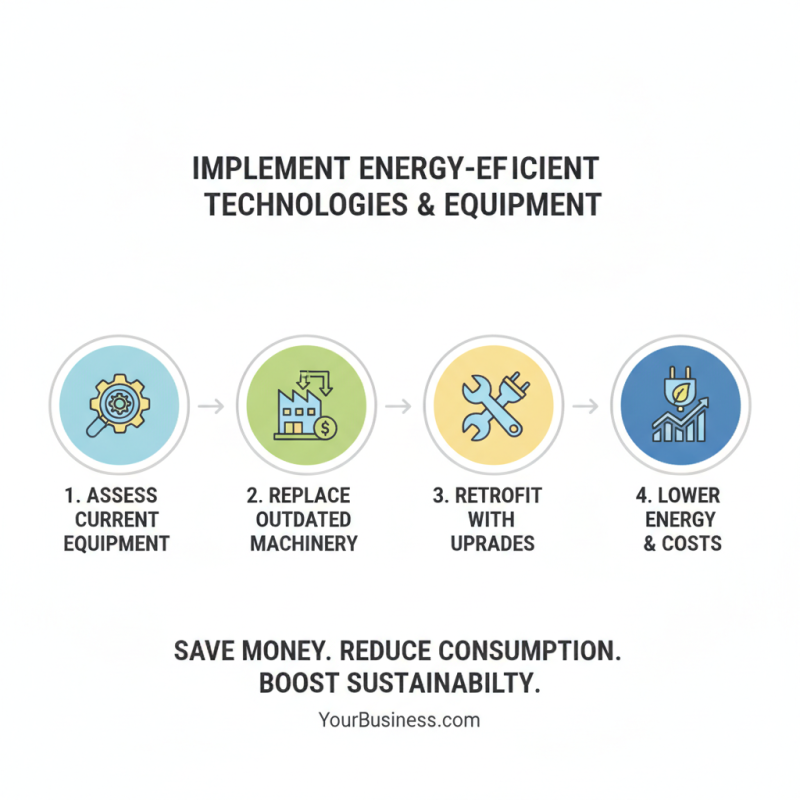
Implementing energy-efficient technologies in your business can lead to significant savings. Begin by assessing your current equipment. Outdated machinery often consumes more energy than necessary. Consider retrofitting existing tools with energy-efficient upgrades. This can lower energy consumption and reduce operational costs.
Invest in smart lighting systems. These systems adjust based on natural light availability or occupancy. You can save energy simply by reducing unnecessary use. Led bulbs can also result in long-term savings. They consume less power and have a longer lifespan.
Tips for energy savings include regular maintenance checks. Clean and maintain your equipment to ensure optimal performance. An inefficient machine can waste energy and money. Employee training is crucial too. Educate your team on energy-saving practices. Small changes, such as turning off lights, can lead to bigger savings over time.
Adopt Sustainable Practices and Policies in Operations
Adopting sustainable practices and policies in operations can significantly reduce energy consumption. Small changes can lead to large savings. Start by conducting an energy audit. Identify areas where energy is wasted. This will provide a baseline to measure improvements.
Tips: Encourage employees to turn off equipment and lights when not in use. Introduce energy-efficient appliances. Implement a recycling program to minimize waste. Consider using renewable energy sources, such as solar or wind power. These actions not only save energy but also create a culture of sustainability.
However, some strategies may not yield immediate results. It can take time to see the impact of new policies. Employee buy-in is crucial for long-term success. Regularly review your strategies and adjust them as necessary. Even small steps contribute to significant changes over time.
How to Save Energy in Your Business Operations? - Adopt Sustainable Practices and Policies in Operations
| Sustainable Practice | Energy Savings (%) | Implementation Cost ($) | Payback Period (Years) | Additional Benefits |
|---|---|---|---|---|
| LED Lighting Upgrade | 30% | 2,000 | 2 | Reduced heat emission, longer lifespan |
| HVAC Smart Controls | 20% | 1,500 | 1.5 | Improved air quality, enhanced comfort |
| Energy-efficient Appliances | 25% | 3,000 | 3 | Lower operational costs, increased productivity |
| Insulation Improvement | 15% | 4,000 | 4 | Enhanced comfort, reduced noise pollution |
| Renewable Energy Sources | 50% | 10,000 | 5 | Sustainability reputation, energy independence |
Train Employees on Energy Conservation Techniques
Training employees on energy conservation techniques is crucial for any business aiming to reduce its carbon footprint. It's about fostering a culture of sustainability. Employees are your greatest asset, and their daily choices can lead to substantial energy savings. Start with simple methods, such as turning off lights and equipment after use. These steps seem trivial but can lead to significant savings over time.
Incorporating energy efficiency training into onboarding is a smart strategy. Use hands-on demonstrations to illustrate the impact of energy waste. Encourage staff to suggest their energy-saving ideas. This not only empowers them but also creates a sense of ownership. Regular workshops and refreshers keep the momentum going. Employees should feel engaged and recognized for their efforts.
Let’s be honest: changing habits takes time; not everyone will adapt immediately. Some may forget to turn off unused machinery. However, persistence is key. By fostering an environment where energy conservation is valued, businesses can create lasting change. Regular feedback from employees can highlight areas needing improvement. Celebrate small victories and reflect on what works and what needs adjustment.
Regularly Monitor and Evaluate Energy Usage and Savings
Monitoring and evaluating energy usage is vital for business operations. Companies often overlook this critical aspect, leading to wasted resources. According to the U.S. Energy Information Administration, about 30% of energy consumed in commercial buildings is wasted. By regularly gathering data on energy use, businesses can identify inefficiencies and implement changes that lead to substantial savings.
It's essential to establish a routine for monitoring energy consumption. Utilizing advanced metering technologies can provide real-time data. Studies from the Lawrence Berkeley National Laboratory show that firms that implement energy management systems can reduce energy costs by 10%-30%. This emphasizes the need for ongoing evaluation, as energy patterns may shift due to operational changes or seasonal variations.
However, businesses may struggle with data interpretation. They might find it challenging to translate numbers into actionable insights. Adapting to this requires continuous training for staff and possibly consulting experts. Engaging in these assessments is a journey, not a destination. Over time, businesses should expect to refine their energy strategies. This iterative process allows for adjustments that align with evolving energy demands and operational goals.
Related Posts
-
Why Is Energy Efficiency Important for a Sustainable Future?
-

10 Essential Tips for Boosting Energy Efficiency at Home
-

10 Best Energy Industry Innovations You Should Know About?
-

2026 Best Energy Efficiency Consultant for Global Buyers?
-

2026 Best Ways to Save Energy for Global Buyers?
-

How Can China Provide Energy Help for Global Buyers