What Are the Top 10 Heating Solutions for Homes?
A home’s heating system shapes more than winter comfort. It affects energy bills, indoor air, noise, and the space available for equipment. The best heating solutions depend on the home itself: its climate, insulation, existing ducts, and access to fuel or electricity. A compact apartment and a drafty rural house may need very different answers.
Energy analyst and engineer Saul Griffith has urged people to “electrify everything.” That idea helps explain the growing interest in heat pumps, but it is not a universal prescription. A cold-climate heat pump may suit one home, while a high-efficiency furnace, boiler, or hybrid system may fit another. Installation quality matters, too. Even a capable system can disappoint if it is poorly sized or matched to the building.
This guide compares ten common options, including ductless mini-splits, electric resistance heating, and radiant floor systems. It looks at upfront cost, operating needs, comfort, and practical limitations. No single ranking can account for every home. That is worth remembering. A glowing product review cannot replace a heat-loss assessment, local energy prices, or a careful installation quote. Use the list as a starting point, then compare choices against the details of your own rooms, winters, and budget.
How Residential Heating Systems Are Classified
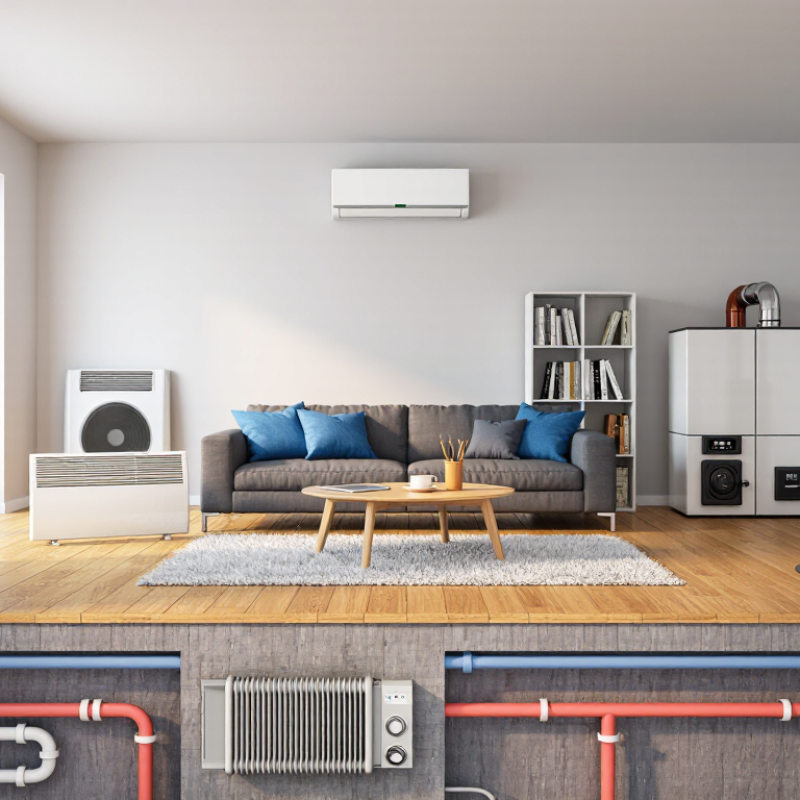
Residential heating systems are classified by both heat source and heat delivery. Heat sources include natural gas, heating oil, electricity, biomass, and ambient outdoor heat. Delivery systems include forced-air ducts, hot-water radiators, baseboards, and radiant floors. These categories overlap: a heat pump can warm air through ducts or supply hydronic floor heating. So a “top 10” list may compare different things unless it states its criteria.
The U.S. Energy Information Administration’s 2020 Residential Energy Consumption Survey estimates that space heating used about 42% of household energy. That makes system type important, but the percentage is national; a drafty home in a cold region can behave very differently. The U.S. Department of Energy describes heat pumps as systems that transfer heat rather than generate it through combustion. Furnaces and boilers, by contrast, burn fuel or use electricity to produce heat. Classification alone does not predict comfort or running cost. Insulation, local climate, equipment sizing, and maintenance also matter.
Tips: Check your existing distribution system before comparing options. Note whether rooms have ducts, radiators, or electric baseboards, and ask a qualified contractor to assess insulation and heating load. These labels can be imperfect; older homes often combine systems.
The Top 10 Heating Solutions for Homes
The top 10 heating solutions for homes are not a universal ranking; the right choice depends on climate, insulation, fuel access, and existing equipment. The U.S. Energy Information Administration’s 2020 Residential Energy Consumption Survey found that space heating accounted for about 42% of household site energy use. That makes efficiency worth careful attention. The U.S. Department of Energy notes that heat pumps can deliver more heat energy than the electricity they consume, though performance varies with outdoor temperatures and system design.
Air-source heat pumps suit many homes, while ground-source systems draw steadier heat from below ground. Ductless mini-splits can warm separate rooms without new ducts. Gas and oil furnaces heat air quickly, but require suitable fuel connections and regular maintenance. Boilers send hot water through radiators; electric resistance heaters offer simple room-by-room control. Radiant-floor systems feel comfortable on cold tile, though installation can be disruptive. Wood or pellet stoves provide localized heat, but need safe venting and fuel storage. Solar thermal systems use collected sunlight to support space or water heating, often alongside backup equipment. Small rooms can be tricky. A system sized without a home heat-loss assessment may leave bedrooms chilly or waste energy, so professional sizing deserves a closer look.
How Each Heating Solution Works
A forced-air furnace burns fuel or uses electricity to warm air, then sends it through ducts to room vents. A boiler heats water, or sometimes steam, that flows through pipes to radiators. Both rely on careful sizing and sound distribution; a warm furnace cannot fix leaky ducts or blocked radiators.
An air-source heat pump moves heat rather than creating it: refrigerant absorbs outdoor heat and releases it indoors. A ground-source heat pump exchanges heat with buried loops, where temperatures stay steadier. Ductless mini-splits use similar heat-pump cycles, with wall-mounted indoor units serving separate rooms. Electric baseboards work differently, warming metal elements that heat nearby air. Simple, but running costs can climb in cold weather.
Radiant-floor systems send warm water through tubing or electricity through floor cables, heating surfaces and people directly. Solar-thermal collectors use sunlight to warm fluid, which transfers heat to a tank or hydronic system; cloudy days may require backup heat. Wood or pellet stoves burn fuel and warm a room through radiant heat and convection, so placement and ventilation matter. Portable electric heaters use resistance elements, sometimes with a fan, to heat a small area. They are quick. One practical detail is easy to miss: furniture can block airflow, and a heater’s comfort depends on room size, insulation, and safe clearance. A heating professional can assess those conditions before installation.
Comparing Efficiency, Costs, and Environmental Impact
The best heating system depends on local weather, insulation, energy prices, and installation costs. Air-source heat pumps often use less electricity than resistance heaters, while ground-source heat pumps can perform steadily in cold weather but require costly ground work. Ductless mini-splits suit individual rooms. Electric baseboards are simpler to install, but running costs can climb.
Gas and oil furnaces deliver strong heat quickly, though their fuel use produces direct emissions. Hydronic boilers warm rooms through radiators or floor pipes; older models may waste energy. Pellet stoves and wood stoves can reduce reliance on fossil fuels, but need fuel storage, regular cleaning, and careful ventilation. Solar thermal panels can help with water or space heating, yet usually need a backup system. District heating may be efficient where local networks exist. Hybrid systems combine a heat pump with a furnace, switching as conditions change. That adds complexity.
Costs vary widely by home. A heat pump may cost more upfront than electric resistance heat, but lower energy use can offset some expense over time. Not always. Compare expected bills, maintenance, and equipment lifespan using local quotes. Environmental impact also depends on the electricity supply and fuel source. Better insulation can shrink heating demand, sometimes making a smaller system practical. Even a well-chosen system can disappoint if ducts leak or controls are poorly set.
Top 10 Home Heating Solutions: Annual Cost and CO₂ Emissions
Illustrative comparison for a U.S. home requiring 80 MMBtu of useful heat per year. Lower bars indicate lower annual energy cost or direct CO₂ emissions.
Estimates use representative efficiencies (heat-pump seasonal COPs; furnace and boiler AFUE) and illustrative energy prices of $0.16/kWh electricity, $12/MMBtu natural gas, $25/MMBtu propane, and $24/MMBtu heating oil. Emissions use an approximate U.S. grid factor of 0.37 kg CO₂/kWh and standard fuel-combustion factors. Actual results vary with local prices, climate, equipment, and the electricity grid; upstream emissions and refrigerant leakage are excluded.
Factors to Consider When Choosing a Home Heating System
Choosing among heat pumps, furnaces, boilers, electric heaters, and radiant systems starts with the home itself. A drafty older house may need different upgrades from a well-insulated apartment. Ask for a room-by-room heat-loss assessment, not just a guess based on floor area. Existing ducts, pipes, and electrical capacity can also affect installation cost. Local winter temperatures matter, too. A system that performs well in a mild region may struggle during long cold spells.
Tips: Check insulation first. Compare estimated yearly energy costs, not only purchase prices. Ask how often filters, pumps, or vents need attention. Listen for operating noise near bedrooms. Small details matter.
Consider fuel availability, repair access, controls, and how evenly each option heats the rooms you use. A heat pump may offer both heating and cooling, while radiant floors can feel comfortable underfoot but may respond slowly. No option is perfect. It is easy to focus on advertised efficiency and overlook the cost of upgrading ducts or wiring. Request written estimates that state equipment sizing, expected maintenance, and what the installation includes. A qualified local professional can help verify those details for your home.