Explore our exciting job openings and become part of the team.

Our proud journey from a handcrafted chimney fan in Sorø to a global market leader with a focus on the green transition.

Dealer portal for existing dealers and partners.

Find your nearest dealer.

Inspiration, tips and tricks for your wood-burning stove and a healthier indoor climate.

CAREER

Your career.
Optimized.

Join Exodraft and our shared
ambition to build the bridge to a CO₂-neutral
future with greener energy for everyone.

What Are the Best Energy Saving Products in 2026?

Choosing the best energy-saving products in 2026 starts with understanding where a home uses energy. Heating, cooling, lighting, and appliances can all affect monthly bills. A smart thermostat may reduce unnecessary heating or cooling, while LED bulbs use less electricity than many older lighting options. Efficient refrigerators, heat-pump water heaters, and well-fitted door seals can also make a measurable difference. Small changes matter.

This guide compares products by practical factors: energy performance, upfront cost, installation needs, and compatibility with existing homes. Look for independent efficiency ratings and check whether a product suits your climate, household size, and daily routine. A feature-rich device is not automatically the right choice. Neither is the cheapest one.

Some products need professional installation; others work straight from the box. Savings vary with local energy prices, weather, and how people use their homes, so no product can promise the same results for everyone. Even a smart thermostat may disappoint if its settings are never adjusted. That is worth remembering. The goal is to find reliable options that help you save energy without adding complexity or buying features you will not use. This overview highlights promising choices and the trade-offs behind them, so you can compare carefully before spending.
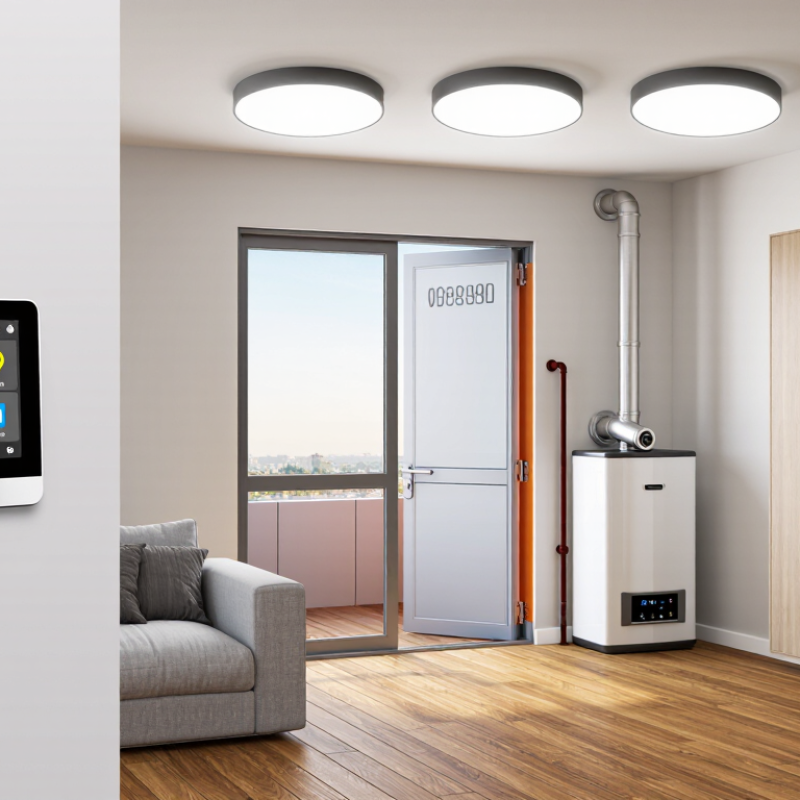
What Are the Best Energy Saving Products in 2026?

How Energy-Saving Products Reduce Household Energy Use

What Are the Best Energy Saving Products in 2026?

Energy-saving products cut household use by reducing wasted heat, electricity, or standby power. The U.S. Energy Information Administration’s 2020 Residential Energy Consumption Survey identifies space heating as the largest household energy end use. That makes insulation upgrades, efficient heating controls, and properly sized heat pumps practical places to start. A thermostat can lower heating or cooling while rooms are empty. The savings depend on schedules, weather, and how the system is used.

Lighting offers a smaller but straightforward change. The U.S. Department of Energy reports that LED bulbs use at least 75% less energy than incandescent bulbs and can last up to 25 times longer. A bulb in a hallway left on nightly makes the difference tangible. Not magic. Replacing every working bulb at once may not make financial sense; start with the lights used most.

Water heating is another worthwhile target. DOE says heat-pump water heaters can be two to three times more energy-efficient than conventional electric resistance models. They draw warmth from surrounding air, so installation location and climate affect performance. Still, product labels can make savings seem more certain than they are. Check your home’s existing equipment, local conditions, and actual energy bills before choosing; measured household results can differ from laboratory estimates.

What to Compare When Evaluating Products in 2026

In 2026, compare energy-saving products by the job they perform, not by headline savings alone. Check the test conditions, rated capacity, expected lifespan, and whether the estimate fits your home. The U.S. Department of Energy says LED bulbs use at least 75% less energy than incandescent bulbs. But savings depend on the bulb’s brightness, daily use, and what it replaces. A lightly used porch light may take years to repay its purchase cost.

For heating, compare seasonal performance ratings and output at your local winter temperatures. The Department of Energy estimates that heat pumps can use about 50% less electricity for heating than electric resistance systems. I would not treat that figure as a promise: insulation, installation quality, and existing equipment all matter. Ask for an estimate based on your home, not a generic example. Small details matter.

Compare total ownership cost, including installation, filters, replacement parts, and electricity use. Look for independent test results and clear measurement methods; vague “up to” claims are hard to verify. For lighting, DOE guidance also notes that LEDs can last up to 25 times longer than incandescent bulbs, though actual life varies with heat and usage. Keep the product specifications and your utility bills. A simple before-and-after check can reveal whether the expected savings showed up—or whether the estimate needs a second look.

What Are the Best Energy-Saving Products in 2026?

Compare reported energy savings against each product category’s stated baseline.

Heat pump water heaters can use up to 70% less energy than conventional electric models; LED bulbs use at least 75% less energy than incandescent bulbs. ENERGY STAR reports about 8% savings on heating and cooling bills for certified smart thermostats, 20% less energy use for certified clothes washers, and refrigerators that are 9% more efficient than the federal minimum standard. These figures use different baselines and are not a direct apples-to-apples comparison; actual savings depend on usage and conditions.

Sources: U.S. Department of Energy, Energy Saver (LED lighting and heat pump water heaters); ENERGY STAR (smart thermostats, clothes washers, and refrigerators).

Efficient Options for Heating, Cooling, and Hot Water

A high-efficiency heat pump can provide both heating and cooling, making it a practical option for many homes. Its performance depends on sizing, local weather, and installation quality, so compare load calculations rather than headline ratings. A poorly sized unit may cycle often or struggle during very cold spells. Good equipment still needs careful setup.

For cooling, ceiling fans use less electricity than air conditioners, but they do not lower room temperature. Use them only when people are present, and raise the thermostat slightly if comfort allows. Weather sealing around doors and windows can also reduce hot-air leaks; a hand near a frame may reveal a draft. Details matter. These fixes are not glamorous, and their impact varies.

For hot water, a heat-pump water heater can use less energy than a conventional electric tank. It needs enough surrounding air and clearance, and may cool or dehumidify its room. Insulating exposed hot-water pipes can reduce heat loss, while an appropriate storage temperature helps limit wasted energy. Not every home qualifies. Savings vary with household habits, climate, and electricity rates, so check actual bills after changes; estimates can miss how people really use hot water.

Lighting, Appliances, and Smart Controls for Lower Energy Use

In 2026, efficient lighting remains one of the easiest upgrades to notice. Replace frequently used bulbs with LEDs, comparing brightness in lumens rather than wattage. A warm, dimmable bulb can suit a living room, while brighter task lighting helps over a kitchen counter. Check that bulbs work with existing dimmers; otherwise, flickering can follow. Small details matter.

Appliances deserve a closer look when an old unit needs replacing. Compare energy-use information across similar-sized models, not just purchase prices. A highly efficient refrigerator may use less electricity, but oversized capacity can erase some of that advantage. Keep refrigerator coils clean and allow air to circulate around the appliance. For suitable devices, a plug-in energy meter can reveal whether a second freezer or older dehumidifier runs more than expected. Measurements help.

Smart controls can reduce waste when they match real routines. Occupancy sensors work well in a laundry room or hallway where lights are often left on. Schedules can lower heating or cooling during predictable absences, while smart plugs can cut power to selected electronics. Still, connected controls are not automatically efficient. Poor schedules, unreliable sensors, and extra devices can create hassle or use energy themselves. Review settings after a week, then adjust them to what actually happens at home.

How to Choose Products for Your Home and Verify Their Performance

Choosing Energy-Saving Products That Work at Home

The best energy-saving product is the one that suits your home, not simply the one with the highest advertised savings. Start by identifying where energy goes: check heating and cooling settings, inspect drafty windows, and compare recent utility bills. A plug-in electricity meter can reveal how much a frequently used appliance consumes. Small details matter. A thermostat may help in a home with a regular schedule, while basic window sealing could be more useful in a room with a noticeable cold draft.

Compare products using verified efficiency labels, technical specifications, and independent test information where available. Check that the product fits your existing equipment, room size, and daily habits. For example, efficient lighting should match the fixture and the brightness you need. A low-flow showerhead should still provide a comfortable spray. Read installation requirements carefully; a product that is poorly fitted may save less than expected or cause other problems. Not every home matches.

After installation, check performance instead of trusting the package estimate. Record a baseline, then compare energy use over similar periods. Weather, occupancy, and thermostat settings can all affect the result, so one month may not tell the full story. I would treat projected savings as estimates, not promises; even careful comparisons have some uncertainty. Keep receipts, product specifications, and meter readings, and review them after several weeks. If usage does not change, check setup and operating habits before buying another device.

Contact us

Let us help you with the right solution

Address

HQ
Industrivej 10
5550 Langeskov

Talk to a consultant

Write to us to get in touch with a consultant

Address

HQ
Industrivej 10
5550 Langeskov

Thank you for your inquiry

Be contacted

Questions? Write to us and get a response

Address

HQ
Industrivej 10
5550 Langeskov

Thank you for your inquiry