




Explore our exciting job openings and become part of the team.

Our proud journey from a handcrafted chimney fan in Sorø to a global market leader with a focus on the green transition.

Dealer portal for existing dealers and partners.

Find your nearest dealer.

Inspiration, tips and tricks for your wood-burning stove and a healthier indoor climate.

CAREER

Your career.
Optimized.

Join Exodraft and our shared
ambition to build the bridge to a CO₂-neutral
future with greener energy for everyone.

Why Is Gas Energy Important for Global Buyers?

Gas energy remains important because it connects reliability, affordability, and industrial production. In 2023, natural gas supplied about 23% of global primary energy, according to the Energy Institute Statistical Review of World Energy 2024. That share represents more than statistics. It means fuel for power stations, glass furnaces, hospitals, and district heating systems. When wind output falls on a cold evening, gas-fired generation can respond within hours. This flexibility helps buyers manage sudden demand and unstable electricity prices.

Trade is changing, not disappearing. The GIIGNL 2024 Annual Report recorded global LNG trade of approximately 404 million tonnes in 2023. LNG cargoes can reach buyers without pipeline connections, giving importers another supply option. The International Energy Agency’s Gas Market Report, Q4 2024, also described continuing demand growth across several regions, especially where electricity consumption and industrial activity are expanding. For a factory manager, this can mean maintaining furnace temperatures instead of interrupting production. For a utility buyer, it can mean balancing solar and wind generation more confidently.

Yet the case needs caution. Gas energy is not automatically low-carbon. The IEA’s Global Methane Tracker 2024 estimated around 120 million tonnes of methane emissions from fossil fuel operations in 2023. Leakage can weaken climate benefits, especially during extraction and transport. Buyers therefore need verified emissions data, contract transparency, resilient infrastructure, and credible methane controls. Price forecasts can also be wrong. That is uncomfortable, but useful. The strongest purchasing strategy treats gas as a practical transition tool, not a permanent answer, while comparing it with efficiency, storage, electrification, and renewable alternatives.
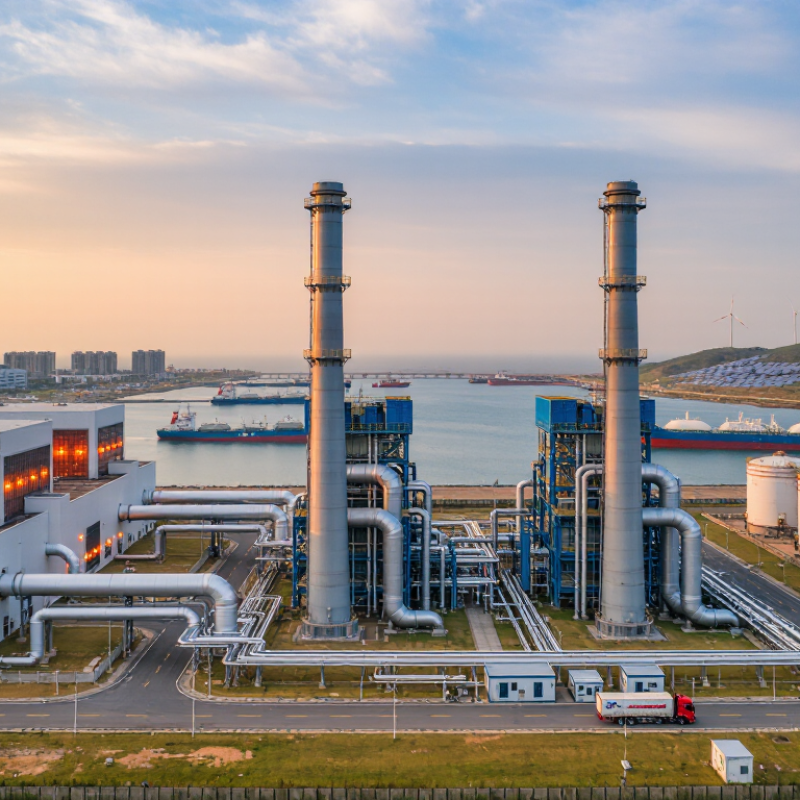
Why Is Gas Energy Important for Global Buyers?

What Gas Energy Is and How It Supports Modern Economies

Gas energy refers to energy produced from gaseous fuels, mainly natural gas, biogas, and emerging low-carbon gases. These fuels release heat when burned, powering turbines, boilers, cooking systems, and industrial equipment. In some regions, gas also supports electricity generation when wind or solar output changes quickly. That flexibility matters during cold evenings or sudden demand increases.

The system is practical. Gas can move through pipelines or arrive as liquefied gas by ship. At a power station, combustion heats water, creates steam, and turns a turbine. Modern combined-cycle plants can produce electricity efficiently while using less fuel than older designs.

Factories use gas for glass, steel, ceramics, and food processing because steady heat is difficult to replace. Homes depend on it for water heating and winter warmth.

Still, gas energy is not automatically clean. Methane leaks can weaken its climate advantage, and combustion produces carbon dioxide. Monitoring, maintenance, and verified emissions data are essential. Biogas can use organic waste, but supply remains limited and uneven. Low-carbon hydrogen may help later, although storage and transport costs remain challenging. The details matter. Energy planning often looks tidy on paper, yet local infrastructure, weather, affordability, and public safety can change the outcome. Reliable gas systems support modern economies, but their long-term role needs honest measurement and careful improvement.

Why Global Buyers Depend on Gas for Reliable Energy Supply

Why Is Gas Energy Important for Global Buyers?

Global buyers depend on gas because it can deliver steady energy when weather changes quickly. Unlike some renewable sources, gas generation can respond within minutes to rising demand. A cold morning can push heating use sharply higher. Gas helps keep factories, hospitals, and transport networks operating during those peaks.

Its reliability also comes from flexible infrastructure. Pipelines can move supply across regions, while storage facilities hold fuel for difficult periods. Liquefied gas shipments can support markets with limited domestic production. These systems give procurement teams more options when local output falls or electricity demand increases. Small delays still matter.

Gas purchasing requires careful planning. Buyers must monitor contract terms, storage levels, pipeline capacity, and weather forecasts. They also face price swings caused by geopolitical tension, maintenance, and shipping constraints. A reliable supply is not automatically an affordable one. This is where many plans become imperfect. Some buyers may secure extra volumes and pay more than necessary. Others may reduce costs but accept greater supply risk. Practical decisions often depend on balancing resilience, emissions targets, and the needs of local communities.

Why Is Gas Energy Important for Global Buyers?

Global LNG trade increased from approximately 354.7 million tonnes in 2019 to 404.0 million tonnes in 2023, showing the growing role of internationally traded gas in supporting supply flexibility and energy security.

Source: GIIGNL Annual Report 2024. LNG trade volumes are shown in million tonnes.

How Gas Energy Influences Industry, Trade, and Energy Security

Gas energy remains important because factories need steady heat and electricity. Glass furnaces, fertilizer plants, and food processors cannot easily pause during cloudy or windless hours. In practical energy planning, operators value predictability as much as price. A gas turbine can respond within minutes, helping grids manage sudden demand. That flexibility supports hospitals, cold-storage warehouses, and water systems. Reliability matters.

Gas also shapes trade routes and industrial competitiveness. Pipelines connect neighboring markets, while shipped gas reaches buyers across oceans. Contracts, storage levels, shipping capacity, and seasonal weather influence delivered costs. A buyer may pay more for diversified supply, but that premium can protect production during regional disruptions. Port congestion offers a concrete warning: one delayed cargo can affect electricity prices and factory schedules. Trade data must be checked against local infrastructure. Paper capacity is not always usable capacity.

Energy security is broader than keeping fuel underground. It includes maintained pipelines, trained technicians, transparent regulation, and emergency reserves. Gas can reduce dependence on a single supplier, yet new infrastructure may create expensive long-term choices. Methane leakage also weakens its climate advantage when monitoring is poor. This is where industry judgment becomes difficult. A secure system today may create costs tomorrow. Buyers should test plans against winter peaks, equipment failures, and geopolitical shocks, not only average prices. Some forecasts will be wrong. That is normal, but ignoring uncertainty is not.

The Environmental and Technological Challenges of Gas Energy

Why Is Gas Energy Important for Global Buyers?

The Environmental and Technological Challenges of Gas Energy

Gas energy remains important because it can support power systems during demand peaks. It also offers reliable heat for factories, buildings, and food processing. For global buyers, supply flexibility matters when renewable output changes quickly. However, reliability does not erase environmental costs.

Carbon dioxide emissions begin when gas is burned. Methane leakage can occur during extraction, processing, transport, and storage. Methane is especially concerning because it traps substantial heat in the atmosphere over shorter periods. Buyers should request independently verified emissions data, not rely only on supplier statements. Satellite monitoring and continuous sensors are improving, but coverage remains uneven. Small leaks can escape weak measurement systems.

Technology creates both progress and uncertainty. Carbon capture may reduce emissions from selected facilities, yet it requires energy, storage sites, and strict monitoring. Hydrogen blending sounds promising, but existing pipelines may need expensive upgrades. Liquefied gas also demands cooling, shipping, and regasification, which add energy use. These systems are not perfect. Cost pressure can encourage buyers to accept incomplete evidence. That is a practical weakness worth admitting.

A credible purchasing process should compare lifecycle emissions, methane controls, water use, and accident prevention. Engineers should inspect measurement methods and maintenance records. Policymakers, operators, and buyers also need shared reporting standards. Gas may remain useful during the energy transition, but its value increasingly depends on transparent performance, not availability alone.

What Shapes Global Gas Demand and Future Market Development

Why Is Gas Energy Important for Global Buyers?

What Shapes Global Gas Demand and Future Market Development

Global gas demand is shaped by power needs, industrial output, weather, and infrastructure. The Energy Institute’s Statistical Review of World Energy 2024 recorded global gas consumption at about 4,018 billion cubic metres in 2023. That volume reflects millions of daily decisions, from factory boilers to winter heating systems.

Power generation remains a major demand driver. When wind or solar output falls, gas plants can respond within hours. A cold evening can therefore move prices quickly. The International Energy Agency’s Gas Market Report, Q1-2025, expects global gas demand to keep growing in 2025, supported by emerging markets and higher electricity consumption. Yet this outlook is not guaranteed. Efficiency gains, renewable expansion, and warmer weather may reduce gas use in some regions.

Future market development will depend heavily on LNG capacity, storage levels, pipeline access, and shipping flexibility. New liquefaction projects may improve supply after 2025, but construction delays remain common. Buyers increasingly study monthly storage data, not only annual forecasts. Small details matter. A congested port or delayed cargo can change a regional balance within days. Gas also faces a difficult question: will it remain a long-term fuel, or mainly serve as a flexible backup? Current data supports both views, which makes planning less comfortable.

Why Is Gas Energy Important for Global Buyers? - What Shapes Global Gas Demand and Future Market Development
Market Dimension Reference Value Unit Market Signal Why It Matters for Global Buyers
Global natural gas consumption Approximately 4,124 billion cubic metres, 2023 Large and essential market Natural gas remains one of the world’s largest traded energy commodities, supporting power generation, heating, industrial production and feedstock demand.
Natural gas share of global primary energy Approximately 23% of primary energy, 2023 Strategic fuel Its substantial energy share means that changes in gas prices and availability can influence electricity costs, industrial competitiveness and inflation.
Global LNG trade Approximately 404 million tonnes, 2023 Growing flexibility LNG enables buyers to source gas from international markets rather than relying exclusively on pipeline supply, improving supply diversification.
Global gas demand growth forecast About 2.8% average annual growth 2023–2030 forecast Positive outlook Demand is expected to expand as emerging economies increase industrial activity, urbanisation, cooling demand and access to gas-fired power.
Additional global gas demand by 2030 Approximately 320 billion cubic metres above 2023 demand More supply required Future buyers may face stronger competition for flexible supply unless new production, pipelines, storage and LNG capacity are developed in time.
European Union gas demand Approximately 330 billion cubic metres, 2023 Structural adjustment Efficiency improvements, renewable power growth and reduced industrial consumption have lowered demand, while storage and LNG remain important for security.
China’s natural gas demand Approximately 394 billion cubic metres, 2023 Key growth centre Industrial production, city-gas networks, transport and power-sector requirements make Asian demand a major influence on future LNG pricing.
Gas-fired power generation Approximately 23% of global gas demand, recent global estimate Power-sector anchor Gas plants can provide dispatchable electricity when renewable output is variable, creating demand for flexible and short-term gas procurement.
Underground gas storage More than 4,000 billion cubic metres of global working capacity, approximate Seasonal protection Storage helps buyers manage winter peaks, supply disruptions and price volatility, particularly in markets with strong seasonal consumption.
Main gas-demand drivers Power, industry, buildings, fertilisers and transport End-use categories Diversified demand Because gas serves several sectors, demand is shaped by weather, economic growth, electricity loads, industrial output, policy and carbon prices.
Key market risks Weather, geopolitics, infrastructure delays and price volatility Risk factors High uncertainty Global buyers should evaluate indexed pricing, destination flexibility, storage access, shipping exposure and contract duration when managing procurement risk.
Energy-transition influence Lower-carbon gas use increasingly linked to methane control and emissions performance Market-development factor Changing buyer criteria Future procurement decisions are likely to consider not only cost and reliability, but also methane intensity, lifecycle emissions and compatibility with decarbonisation targets.
Data note: Values are rounded and based on widely reported 2023 market statistics and medium-term outlooks from the Energy Institute Statistical Review of World Energy, the International Energy Agency’s gas-market reports, and international LNG trade assessments. Forecast figures are projections rather than guaranteed outcomes.
Contact us

Let us help you with the right solution

Address

HQ
Industrivej 10
5550 Langeskov

Talk to a consultant

Write to us to get in touch with a consultant

Address

HQ
Industrivej 10
5550 Langeskov

Thank you for your inquiry

Be contacted

Questions? Write to us and get a response

Address

HQ
Industrivej 10
5550 Langeskov

Thank you for your inquiry