What Are the Top VR Movie Theater Types in 2026?
In 2026, a Vr Movie Theater is no longer limited to a dark room with oversized goggles. Today’s venues range from premium location-based cinemas to social multiplayer spaces, museum installations, and compact pop-up experiences. Each type delivers a different balance of immersion, comfort, film quality, and audience interaction.
Premium VR cinemas often use motion seats, directional sound, and high-resolution headsets. These features can make a short film feel physically present. Social venues focus on shared adventures, where groups explore the same virtual world together. Educational theaters usually prioritize guided storytelling, accurate visuals, and accessibility. Pop-up formats offer flexible entertainment in malls, festivals, and cultural events. Comfort matters.
This guide compares the leading VR movie theater types by equipment, viewing style, operating environment, and customer value. It also considers practical details, including headset hygiene, seat spacing, staff training, motion sensitivity, and content licensing. These factors can shape the experience more than impressive marketing claims.
The categories overlap. A premium venue may also support multiplayer films. An educational theater may use theatrical effects. Therefore, no single format wins every audience or budget. A reliable comparison should examine verified specifications, operator policies, customer feedback, and local accessibility standards. Even this approach has limits. Technology changes quickly, and today’s strongest feature may feel ordinary next year.
VR Movie Theaters: Definition and Main Characteristics
What Are the Top VR Movie Theater Types in 2026?
VR Movie Theaters: Definition and Main Characteristics
A VR movie theater is an immersive venue where viewers enter digital stories through headsets, projection systems, or interactive rooms. Unlike traditional cinemas, it controls movement, sound, lighting, and audience participation. A typical session may include a padded seat, spatial headphones, hand controllers, and a 360-degree visual field. Some venues use motion platforms that tilt gently during flying or underwater scenes. Small details matter, including clean face cushions, clear safety instructions, and short calibration times.
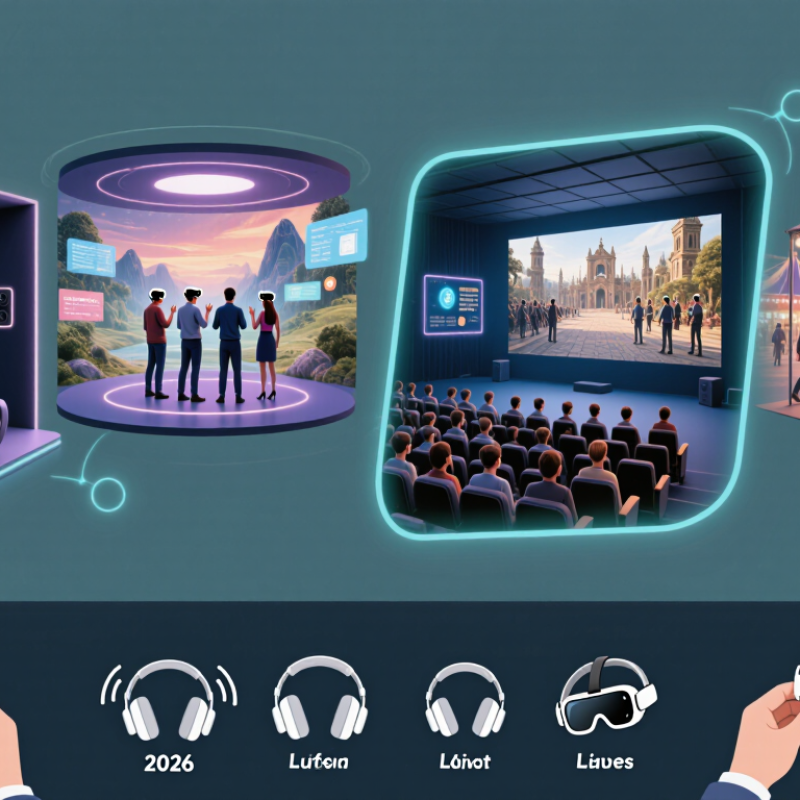
The main types are seated VR cinemas, 360-degree dome theaters, free-roam narrative rooms, and mixed-reality screening pods. Seated theaters suit linear films and larger audiences. Dome spaces create shared visual immersion, while free-roam rooms let visitors walk through scripted environments. Mixed-reality pods combine physical props with digital characters. They feel more theatrical than cinematic. Sometimes, less is more.
Market data supports wider investment in immersive formats. Grand View Research valued the global virtual reality market at US$59.96 billion in 2022 and projected a 27.5% compound annual growth rate from 2023 to 2030. Statista Market Insights also estimated the VR market would generate more than US$29 billion in 2024. These figures cover broader VR activity, not theaters alone. That distinction is important. A busy headset market does not guarantee a successful cinema. Comfort, session length, content quality, and audience flow still decide whether visitors return. The industry remains promising, but its definition is not completely settled.
Panoramic Dome Theaters for Shared Immersive Viewing
What Are the Top VR Movie Theater Types in 2026?
Panoramic dome theaters are becoming a leading format for shared immersive viewing. Instead of wearing separate headsets, audiences sit beneath a curved screen that surrounds their field of vision. A 180- or 360-degree image can make oceans, spacecraft, and mountain paths feel physically close. The effect works best when projection brightness, image alignment, and sound positioning are carefully calibrated. Even small delays can break immersion.
From practical viewing experience, seating distance matters greatly. Reclined chairs reduce neck strain, while open sightlines help groups react together. A well-designed dome also needs quiet ventilation, clear walkways, and accessible seating. These details are less exciting than visual effects, but they strongly influence comfort and trust. Operators should test image quality before each session and maintain equipment records. Content should be selected for shared pacing, not only individual spectacle. Some scenes still feel flat. That is an honest limitation.
Tips: Choose a theater with adjustable seating and balanced surround sound. Ask whether the dome supports high-resolution content and regular calibration. Arrive early to check your viewing position. Avoid heavy meals before motion-rich screenings. If dizziness begins, remove yourself from the experience and rest. Small improvements can make the shared journey feel far more natural.
Free-Roam VR Theaters for Interactive Group Films
Free-Roam VR Theaters for Interactive Group Films
In 2026, free-roam VR theaters are becoming a leading format for shared cinematic experiences. Guests walk through mapped spaces instead of sitting in fixed seats. They can explore digital sets, solve simple challenges, and react together during a film. The experience feels closer to entering a movie than watching one.
This format also has practical momentum. Grand View Research estimates that the global virtual reality market could grow at a compound annual rate above 25% through 2030. The PwC Global Entertainment & Media Outlook 2024–2028 also identifies immersive entertainment as an expanding area. These reports measure broad VR and media markets, not theater attendance specifically. That distinction matters. Some venues may overstate demand before measuring repeat visits. From an operator’s view, 20 to 40 guests per session can create stronger social energy, but it also increases staffing and safety requirements.
Tips: Keep movement intuitive. Use clear floor markings, short scenes, and reliable tracking checks. Allow extra time between sessions for equipment cleaning and calibration. Interactive films should offer meaningful choices, not random tasks. Accessibility needs attention too, including seated alternatives and adjustable intensity. A headset can impress guests quickly. Poor pacing can lose them faster. Operational testing remains essential, because even well-designed virtual worlds may feel confusing in physical space.
Comparing VR Movie Theater Types in 2026
In 2026, VR movie theaters are no longer a single format. Venues now offer headset pods, shared immersive rooms, motion-seat cinemas, and large projection domes. Each type creates a different viewing experience. The best choice depends on comfort, storytelling style, group size, and equipment quality.
Headset pods provide the clearest private experience. High-resolution displays can reveal small details in dark scenes, while adjustable audio improves dialogue clarity. However, wearing a headset for two hours may cause heat, pressure, or eye fatigue. Staff should clean facial interfaces, explain controls, and check each viewer’s comfort before playback. This format suits focused films and small groups. It feels personal.
Shared immersive rooms create stronger social energy. Viewers can look around the same digital environment and react together. These spaces work well for documentaries, animated stories, and interactive scenes. Yet, crowded layouts may reduce personal space. Motion-seat theaters add vibration, tilting, and gentle movement, making action scenes more physical. Their effects should match the film, not overpower it. Projection domes offer the widest shared view and easier access for newcomers, but image sharpness can vary across the curved surface.
From an operator’s perspective, accessibility matters as much as visual impact. Clear walkways, adjustable seating, captions, hearing support, and simple safety instructions should be standard. I have found that impressive hardware cannot repair weak storytelling. Some venues still overuse movement and novelty. That remains a design problem. A reliable theater measures comfort, queue times, sanitation, audio balance, and audience feedback after every screening.