






CAREER
Your career.
Optimized.
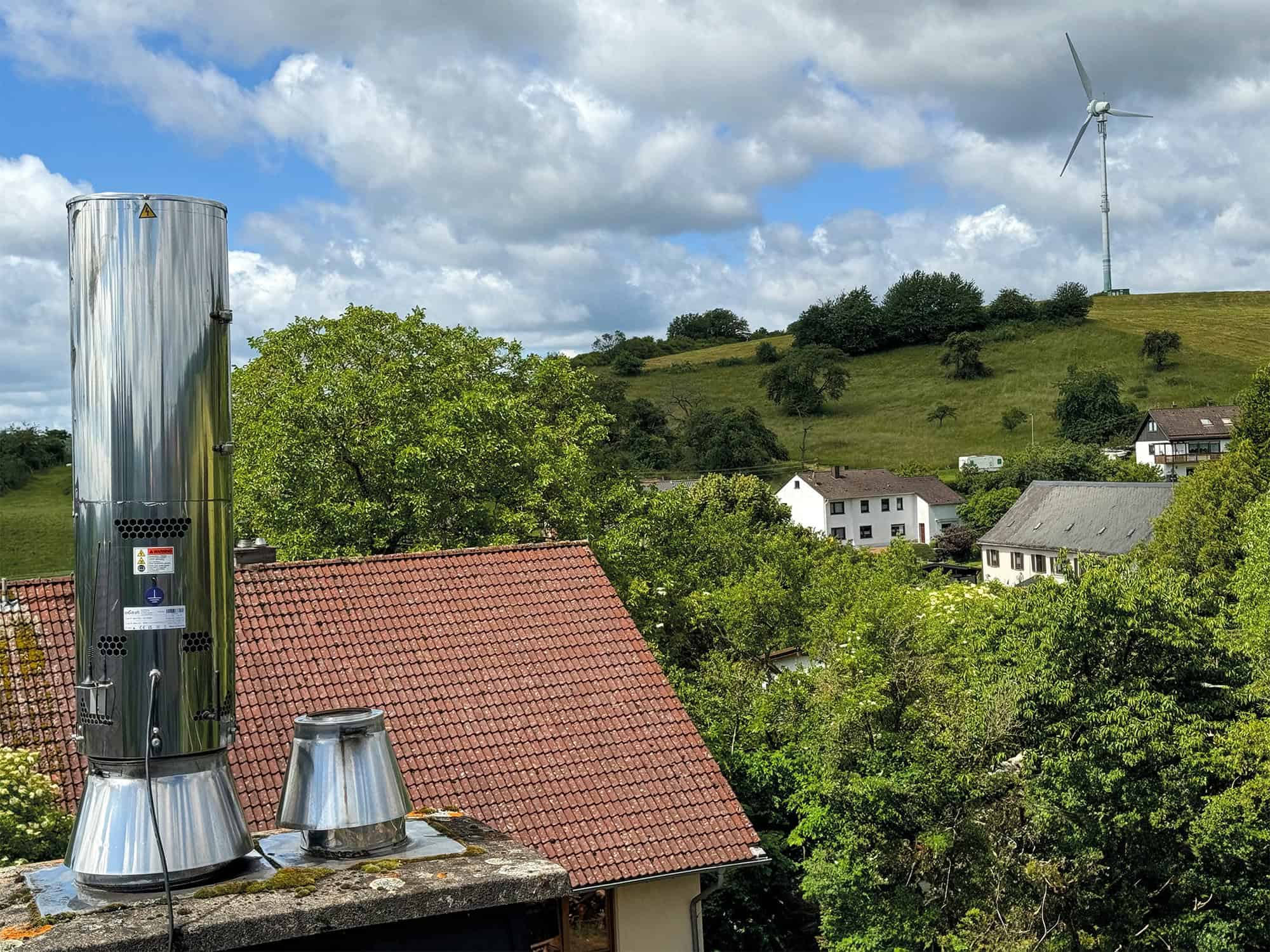
Join Exodraft and our shared
ambition to build the bridge to a CO₂-neutral
future with greener energy for everyone.
Top Rubber Base Kart Track Barrier Suppliers Worldwide
Choosing a Rubber‑Base Kart Track Barrier requires more than comparing prices or browsing supplier catalogs. Track owners must examine impact absorption, rebound behavior, weather resistance, installation methods, and replacement access. A barrier may look solid yet perform poorly after repeated collisions. That detail matters.
Motorsport safety engineer Dr. Karl-Heinz Schmitt offers a useful principle: “A safe barrier controls energy; it does not simply block movement.” His observation reflects practical track experience. Effective systems soften the first impact, guide the kart away, and reduce dangerous secondary contact. Suppliers should also provide clear test data, maintenance instructions, and documented material specifications. Verifiable evidence matters.
This worldwide supplier overview considers manufacturers serving indoor circuits, outdoor venues, rental fleets, and professional karting facilities. It compares rubber compound quality, modular design, anchoring hardware, visibility options, delivery capability, and after-sales support. Some suppliers excel in heavy-duty construction. Others offer faster installation or better customization. No product is perfect.
Even premium barriers can fail when installed on uneven ground or inspected too rarely. That is an uncomfortable point. Supplier claims deserve careful checking against real track conditions. Look for impact records, independent testing, customer references, and consistent production standards. The strongest companies explain limitations clearly. They do not promise impossible protection.
This guide introduces leading Rubber‑Base Kart Track Barrier suppliers worldwide. It aims to help operators make safer, more defensible purchasing decisions. Safety begins with evidence, not marketing language.
What Defines a High-Quality Rubber Base Kart Track Barrier
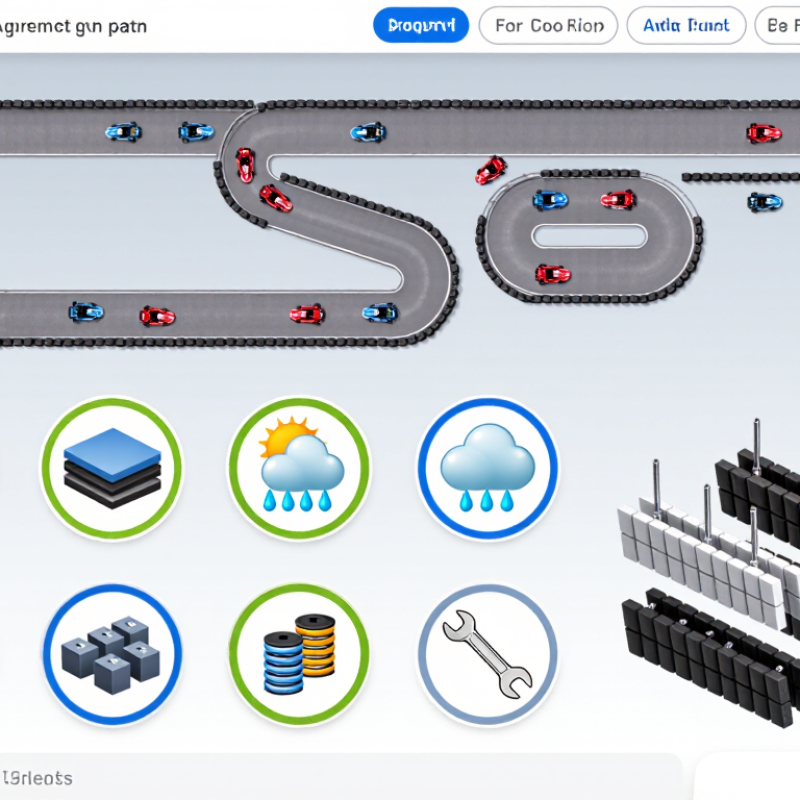
A high-quality rubber base kart track barrier does more than absorb impact. It must slow a vehicle without creating a sharp rebound. Dense, flexible rubber helps distribute force across the barrier. A broad, weighted base improves stability during repeated contact. It should remain aligned after minor movement. That detail matters during busy race sessions. Look for rounded edges, consistent molding, and strong connection points. Small cracks are not acceptable. Neither are loose fittings.
Experienced track operators usually inspect barriers before every event. They check surface tears, base deformation, connector wear, and hidden movement. This practical routine reveals quality better than a polished product photograph. Reliable worldwide suppliers provide material specifications, load guidance, maintenance instructions, and replacement-part information. Independent impact testing is useful, but test conditions must be clear. A barrier tested only in mild conditions may offer false confidence. Weather resistance also matters. Sunlight, rain, cleaning chemicals, and cold temperatures can change rubber performance. No barrier is perfect. Design decisions still require review.
Tips: Measure track width and corner radius before ordering. Choose a barrier height suited to vehicle speed and driver visibility. Ask for samples or installation drawings. Press the base by hand and inspect its recovery. It should feel resilient, not brittle or excessively soft. Confirm drainage around the base. Water trapped underneath can reduce grip. Keep inspection records, even when the system looks unchanged. That habit seems minor, but it supports safer decisions.
Top Rubber Base Kart Track Barrier Suppliers Worldwide - What Defines a High-Quality Rubber Base Kart Track Barrier
| Evaluation Dimension | Practical Benchmark or Data Range | Relevant Verification Method | Why It Defines Quality |
|---|---|---|---|
| Barrier Construction | Molded solid rubber, elastomer compound, or rubber body with a securely integrated weighted base; avoid exposed sharp metal parts. | Material declaration, production drawings, and physical sample inspection. | A stable, impact-tolerant construction helps reduce damage to karts, barriers, and track surfaces. |
| Typical Barrier Length | Approximately 1,000–2,000 mm per modular section is common for portable track layouts. | Dimensional inspection using calibrated measuring equipment. | Consistent modules simplify transport, layout changes, replacement, and storage. |
| Typical Barrier Height | Approximately 300–600 mm, selected according to kart size, corner geometry, visibility requirements, and track rules. | Technical drawing review and on-site clearance assessment. | The height should provide meaningful separation without unnecessarily obstructing driver visibility. |
| Base Width and Stability | Approximately 300–600 mm base width, with a low center of gravity and sufficient footprint for the intended impact environment. | Static stability assessment, dimensional inspection, and controlled impact evaluation. | A wide, stable base reduces unwanted movement, tipping, and track encroachment. |
| Barrier Weight | Approximately 20–60 kg per modular section is a common planning range, depending on dimensions and compound density. | Weighing of production samples and confirmation of stated tolerances. | The product should be heavy enough for stability while remaining practical for manual handling and repositioning. |
| Rubber Hardness | A declared Shore A hardness commonly falls within approximately 65–90 Shore A, depending on the required flexibility and wear resistance. | ASTM D2240 or ISO 7619-1 hardness testing. | A documented hardness value supports consistent deformation, durability, and product-to-product quality control. |
| Tensile Strength | The supplier should provide a compound-specific tensile strength value rather than relying only on a marketing description. | ASTM D412 or ISO 37 testing, with test direction and specimen details recorded. | Higher tensile performance generally improves resistance to tearing and repeated mechanical stress. |
| Tear Resistance | A published tear-resistance result should be available for the selected rubber compound and thickness. | ASTM D624 or ISO 34-1 testing. | Good tear resistance helps prevent cuts and progressive damage after contact with kart bodywork or track equipment. |
| Abrasion Resistance | The compound should be selected for repeated contact, dragging, cleaning, and outdoor handling; a supplier should provide a comparative abrasion result. | ISO 4649 or ASTM D5963, where applicable to the rubber formulation. | Low wear helps preserve barrier dimensions, surface integrity, and service life. |
| Weather and UV Resistance | Outdoor products should have documented resistance to sunlight, rain, temperature cycling, and ozone appropriate to the installation climate. | ASTM G154 or ISO 4892-3 accelerated weathering, supported by outdoor-use compound data. | Weather-resistant rubber is less likely to crack, fade excessively, harden, or lose flexibility during outdoor service. |
| Temperature Performance | The supplier should state the recommended operating temperature range for the selected compound and installation environment. | Low-temperature brittleness, compression, and aging tests selected for the compound and climate. | Temperature stability helps maintain predictable flexibility and reduces cracking or excessive softening. |
| Surface Safety | Rounded edges, smooth transitions, no exposed fasteners in contact zones, and no easily detachable sharp components. | Visual inspection, edge-radius inspection, and installation risk assessment. | A carefully finished surface helps reduce snagging, cutting, and secondary hazards during contact. |
| Visibility and Identification | High-contrast colors, reflective markings, or compatible track-side identification panels should be available where required. | Visual contrast review under daylight and facility lighting conditions. | Clear visibility helps drivers, marshals, and maintenance staff identify barrier positions and track boundaries. |
| Connection and Alignment | Interlocking profiles, connector points, or alignment features should maintain consistent spacing without creating rigid hazardous projections. | Assembly trial, dimensional tolerance check, and repeated setup inspection. | Reliable alignment reduces gaps, unwanted rotation, and frequent manual readjustment. |
| Floor Compatibility | The base should be compatible with the intended surface, including asphalt, concrete, indoor sport flooring, or other approved track surfaces. | Site trial assessing movement, surface marking, drainage, and cleaning conditions. | Proper compatibility helps prevent sliding, staining, premature wear, and damage to the track surface. |
| Recycled Material Disclosure | If recycled rubber is used, the supplier should disclose the approximate content, source, processing method, and any applicable contaminant controls. | Supplier declaration, batch documentation, and independent material testing when required. | Transparent material information supports consistent performance, safety review, and environmental procurement requirements. |
| Quality Control and Traceability | Documented inspection of dimensions, weight, hardness, appearance, batch number, and packaging before shipment. | Inspection reports, batch records, photographs, and pre-shipment approval procedures. | Traceability makes it easier to identify inconsistent batches and manage replacement requirements. |
| Packaging and Logistics | Protective packaging, pallet stability, moisture control, accurate net and gross weights, and export-ready documentation. | Packaging inspection, loading photos, and review of shipping documents. | Good logistics control reduces deformation, contamination, shipping damage, and installation delays. |
| Installation and Maintenance Support | Clear layout guidance, cleaning instructions, inspection intervals, replacement recommendations, and spare-part availability. | Review of manuals, drawings, inspection checklists, and after-sales response procedures. | Practical support improves service life and helps operators maintain a consistent safety setup. |