Top 10 Home Textile Fabric Types to Elevate Your Space?
home textile fabric plays a crucial role in enhancing the aesthetic of our living spaces. Expert in home textiles, Sarah Thompson, emphasizes, "The right fabric can transform a room from ordinary to extraordinary." Each fabric type brings unique qualities, textures, and colors that can redefine any area in your home.
Consider the various styles available today. From luxurious silk curtains to cozy cotton throws, the choice is overwhelming. You may feel lost in the options. However, understanding the characteristics of these fabrics can help you make informed decisions. Different blends and weaves can evoke distinct feelings in your space.
It's essential to reflect on what atmosphere you're aiming for. Are you seeking comfort, elegance, or a vibrant touch? Remember, every selection impacts your home’s overall vibe. This exploration of the top ten home textile fabric types will guide you in creating a space that truly reflects your personality. Choose wisely, as each decision counts in achieving your desired look.
Types of Cotton Fabrics for Home Textiles: Versatile and Affordable
Cotton fabrics are a popular choice for home textiles, offering both versatility and affordability. They are soft, breathable, and suitable for various applications. According to a recent market analysis, cotton accounted for over 30% of the global textile market in 2022. This demonstrates its enduring appeal among homeowners.
There are different types of cotton fabrics to consider. For instance, percale is a tightly woven cotton fabric known for its crisp finish. It is often used in bed linens for a fresh, clean look. Another popular option is cotton twill, which has a diagonal weave. This fabric is durable and works well for curtains and upholstery. However, not all cotton fabrics are created equal. Some may lack the quality and longevity expected, leading to dissatisfaction over time.
Additionally, the cotton industry faces challenges, such as environmental concerns. The production of cotton can be resource-intensive. Sustainable practices are becoming increasingly important. Many consumers are seeking organic cotton alternatives to reduce their carbon footprint. It's essential to reflect on these choices when selecting textiles for your home.
Top 10 Home Textile Fabric Types to Elevate Your Space
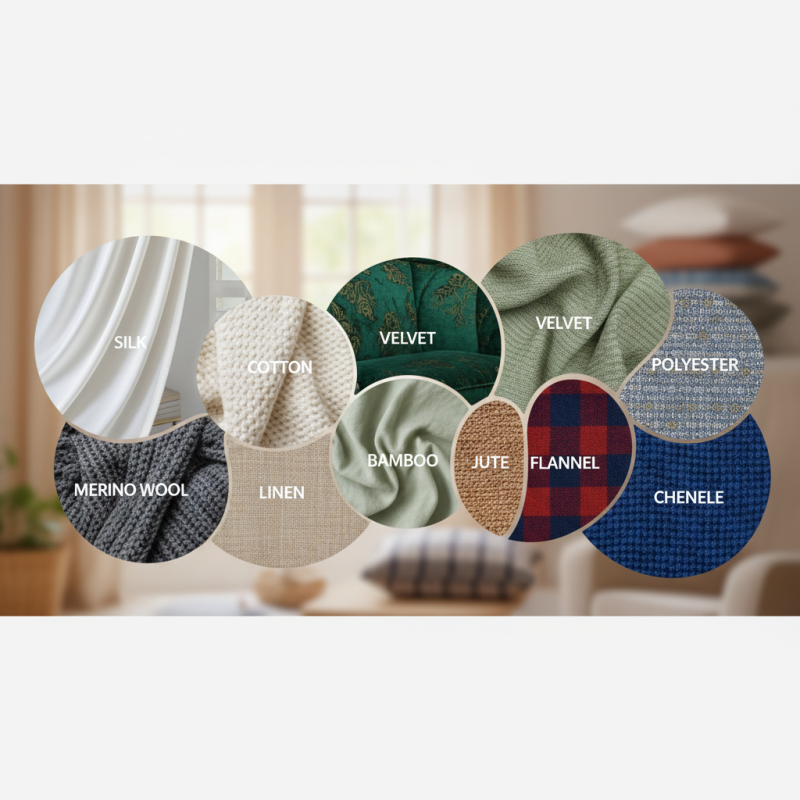
| Fabric Type | Characteristics | Best Uses | Maintenance | Price Range ($/yd) |
| Cotton | Soft, breathable, and absorbent | Curtains, cushions, sofas | Machine wash; tumble dry low | 5-15 |
| Linen | Durable, breathable with a natural texture | Table linens, bedspreads | Machine wash; iron while damp | 15-30 |
| Polyester | Durable, wrinkle-resistant, and easy to clean | Upholstery, drapes | Machine wash; can be tumble dried | 5-20 |
| Velvet | Luxurious feel, soft, and rich colors | Couches, accent pillows | Spot clean recommended | 25-50 |
| Canvas | Thick, sturdy, and durable fabric | Bean bags, outdoor cushions | Machine wash; air dry | 10-25 |
| Silk | Soft, smooth with a beautiful sheen | Cushions, curtains, bedding | Dry clean only | 40-100 |
| Taffeta | Crisp texture and light weight | Drapes, table runners | Spot clean only | 5-20 |
| Microfiber | Soft, high durability, and easy care | Sofas, bedspreads | Machine wash; air dry | 10-30 |
| Bamboo | Eco-friendly, moisture-wicking, and hypoallergenic | Bedding, towels | Machine wash; tumble dry low | 15-35 |
| Chenille | Soft, textured, and plush | Throws, cushions, upholstery | Spot clean recommended | 15-40 |
Exploring Linen Textiles: Natural Beauty and Durability in Home Decor
Linen textiles are a popular choice for home decor. This fabric boasts a natural beauty that complements different styles. Its texture brings warmth and sophistication to any room. Linen also offers durability, standing up well to daily use. It ages gracefully, adding character over time. The breathable quality of linen makes it ideal for bedding and curtains.
When incorporating linen into your space, consider mixing it with other materials. This can create a balanced look. For example, pair linen pillow covers with cotton or wool throws. The contrast enhances the overall design. Experimenting with different patterns and colors can also elevate your decor. Look for linen in neutral tones for a calming effect.
Tips for using linen: Wash it gently to maintain its look. Avoid harsh detergents that can damage the fibers. Use a cool iron for a crisp finish, or embrace its natural wrinkles. Layering linen with different textures can create depth. Don’t shy away from using bold colors; they can energize your space dramatically.
Silk Fabrics: The Luxurious Option for Elevating Interior Aesthetics
Silk fabrics are often seen as the epitome of luxury. Their smooth texture and natural sheen immediately enhance any space. When light hits silk, it transforms the atmosphere, creating a warm and inviting ambiance. This richness can elevate a room's design from ordinary to extraordinary.
Yet, silk comes with some challenges. It requires careful maintenance to keep its beauty. A single drop of water can leave a mark if not treated promptly. Cleaning can be tricky too, as some methods may harm the delicate fibers. These factors make silk both desirable and demanding.
Using silk in home textiles can create stunning visuals. Imagine silk curtains flowing gently in the breeze, or luxurious silk cushions adorning your sofa. However, one must plan for the upkeep and select the right pieces wisely. The right colors and weaves can enhance your decor while presenting a slight risk of wear over time. Balancing beauty and practicality is key in any design choice.
The Role of Polyester in Modern Home Textiles: Practical Benefits
Polyester has become a staple in modern home textiles. This synthetic fabric offers notable benefits, making it highly recommended for various uses. According to a report from the Textile Research Journal, polyester accounts for nearly 52% of the global textile market. Its durability is one major advantage. Polyester is resistant to shrinking, stretching, and wrinkling. This makes it ideal for households with kids or pets.
Moreover, polyester is easy to clean. Many polyester fabrics can be machine washed. This saves time and effort for busy households. A study from the American Cleaning Institute highlights that durability and ease of care are key factors for consumers. However, while polyester is practical, it also raises environmental concerns. The production of polyester contributes to pollution. The fabric itself is not biodegradable. This presents a dilemma for eco-conscious consumers.
Despite its widespread use, the comfort level of polyester can vary. Some may find it less breathable than natural fibers. This can lead to discomfort in hot weather. Industry experts suggest blending polyester with cotton or linen for better comfort. This creates fabrics that combine the best of both worlds. While polyester offers numerous benefits, it is essential to consider these factors in your choice of home textiles.
Unique Blends: Combining Fabrics for Enhanced Texture and Style
Combining different fabric types can create a unique ambiance in your home. Cotton and linen blend brings a soft yet textured feel to any space. The lightness of cotton is enhanced by the sturdiness of linen. This combo is perfect for curtains or cushion covers. It adds a touch of elegance while being functional and breathable.
Another interesting blend involves wool and silk. Wool provides warmth, while silk adds a luxurious sheen. This mix works well for throws or decorative pillows, creating depth in seating areas. However, it's essential to consider maintenance. Wool may require special care to avoid pilling. Silk is delicate, needing gentle washing. Balancing beauty and practicality can be a challenge.
Experimenting with blends can also lead to unexpected textures. Velvet and canvas create a striking contrast, combining plushness with structure. This pairing can be used for furniture upholstery or wall hangings, breaking the monotony of traditional fabric choices. Remember that not every blend will work seamlessly. Some combinations may clash or feel off. It’s important to reflect on your choices and be willing to make adjustments. Embrace imperfections; they often lead to the best design discoveries.