Top 5 Energy Sources for Sustainable Global Procurement?
In today's world, energy sources play a crucial role in shaping sustainable procurement practices globally. As businesses face environmental challenges, the need for reliable energy sources has become paramount. Renewable energy, such as solar and wind, has gained significant traction due to its potential to reduce carbon footprints. However, not all renewable sources are equally effective in all regions, which raises questions about their reliability.
Another factor to consider is the economic impact of shifting energy sources. Transitioning to sustainable energy can entail substantial investments. Companies must evaluate the costs versus benefits when integrating these energy sources into their supply chains. Some businesses may struggle to balance immediate expenses with long-term sustainability goals.
Moreover, while the focus often remains on renewable sources, conventional energies still dominate many markets. The challenge lies in finding a viable mix that meets energy demands without compromising on sustainability. It is essential to understand the complexities and limitations of each energy source. Through careful evaluation and strategic planning, organizations can truly harness the power of energy sources for a sustainable future.
Renewable Energy: The Foundation of Sustainable Procurement Practices
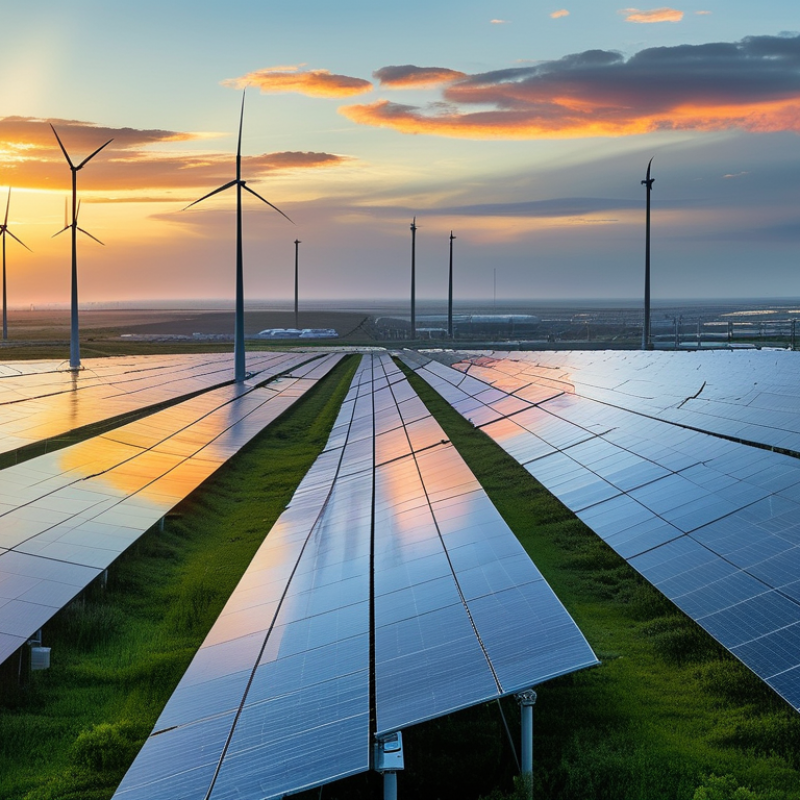
Renewable energy is integral to sustainable procurement practices. As industries transition towards greener operations, data from the
International Renewable Energy Agency (IRENA) shows that renewable energy could account for 86% of global power needs by
2050. This shift not only meets growing energy demands but also reduces greenhouse gas emissions significantly.
Wind, solar, and hydroelectric power emerge as front runners in this realm. For example, the Global Wind Energy Council reported over 93,000 MW of new capacity added in 2020 alone, pushing the total global installed capacity to over 743,000 MW. Solar power is equally impressive, with a 22% annual growth rate reported by the
Solar Energy Industries Association. Despite these advancements, challenges remain in storage technology and grid integration.
Transitioning to renewables requires investments and innovation. Not all regions have equal access to renewable resources. Some businesses may struggle to justify the initial costs, delaying the shift. Nonetheless, the rewards of adopting
sustainable energy sources far outweigh potential drawbacks. For organizations committed to ethical practices, renewable energy can unlock opportunities for better procurement decisions and long-term viability.
Solar Energy: Harnessing the Power of the Sun for Global Procurement
Solar energy is emerging as a cornerstone for sustainable global procurement. The International Renewable Energy Agency (IRENA) noted that solar capacity has grown over 20% annually in recent years. This growth is transforming energy consumption patterns across various sectors. Companies are increasingly tapping into solar energy to reduce their carbon footprints.
However, harnessing solar energy comes with challenges. The initial investment can be significant. Many organizations struggle with installation costs and regulatory barriers. According to a recent report from the World Bank, over 1.2 billion people still lack access to electricity, highlighting the need for innovative financing solutions. Companies must also consider geographical limitations. Not every region receives adequate sunlight year-round.
Tip: Evaluate your location's solar potential. This can guide your investment decisions effectively.
Using solar energy can yield substantial long-term savings. The U.S. Department of Energy (DOE) estimates that the cost of solar photovoltaic (PV) systems has decreased by over 80% since 2010. Despite this, ongoing maintenance and technology upgrades must be factored in. Organizations often overlook these continuing costs.
Tip: Monitor advancements in solar technology. Staying updated can optimize resource management.
As solar energy becomes mainstream, navigating these complexities is crucial. Companies should be proactive in seeking partnerships and resources. Only then can solar energy truly become a reliable source for global procurement.
Top 5 Energy Sources for Sustainable Global Procurement
| Energy Source |
Description |
Global Usage (%) |
CO2 Emission Reduction (%) |
Investment Potential (Billion USD) |
| Solar Energy |
Harnessing sunlight using photovoltaic cells or solar thermal systems. |
15% |
20% |
150 |
| Wind Energy |
Utilizing wind turbines to convert kinetic energy from wind into electricity. |
10% |
18% |
120 |
| Hydropower |
Generating energy through the movement of water in dams or rivers. |
35% |
15% |
200 |
| Geothermal Energy |
Using heat from the Earth's interior for heating and electricity generation. |
5% |
25% |
50 |
| Biomass Energy |
Using organic materials as fuel for energy production. |
8% |
10% |
70 |
Wind Energy: Utilizing Wind Power for Sustainable Supply Chains
Wind energy is emerging as a key player in creating sustainable supply chains. Utilizing wind power reduces reliance on fossil fuels and curtails greenhouse gas emissions. With advancements in turbine technology, efficiency is constantly improving, making this energy source more viable. Supply chain operations can harness wind energy to power manufacturing, logistics, and even data centers.
It’s vital to assess local wind patterns before setting up wind farms. The energy produced is directly linked to wind speed and consistency. Many regions have untapped potential in wind resources, which can be a game changer for local economies. Companies may face challenges like land usage and community acceptance. Engage with local communities early, as their support is crucial for successful projects.
Tips:
Consider starting with small-scale turbines. This can provide insights and experience without extensive investment. Regularly monitor energy output to adjust operations and maintain reliability. Integrating battery storage can enhance the stability of wind-generated power, allowing for smoother supply chain processes. Adapting to these practices requires patience and reflection, but the long-term benefits are significant.
Hydropower: Driving Sustainable Procurement through Water Energy
Hydropower is a significant player in the realm of sustainable energy. According to the International Hydropower Association, hydropower accounts for about 16% of global electricity generation. This statistic highlights its importance in driving sustainable procurement practices. Water energy comes from capturing the potential and kinetic energy of flowing water. It provides a reliable source of energy that can help reduce carbon emissions.
In 2021, hydropower capacity reached over 1,300 gigawatts globally. This growth indicates a increasing reliance on renewable sources. However, challenges remain. For instance, the environmental impact of damming rivers can disrupt local ecosystems. The balance between energy generation and ecological health needs careful management.
Furthermore, the initial investment in hydropower infrastructure can be significant. Countries may struggle to secure funding. Yet, the long-term benefits of reduced greenhouse gas emissions and a stable energy supply are compelling. Sustainable procurement can allow organizations to evaluate these trade-offs effectively. Embracing hydropower means committing to renewable energy, but it requires a responsible approach to development.
Top 5 Energy Sources for Sustainable Global Procurement
Biomass Energy: Converting Organic Materials into Sustainable Resources
Biomass energy emerges as a crucial player in sustainable energy solutions. It involves converting organic materials, such as agricultural waste, into usable energy. This process not only reduces waste but also harnesses natural resources effectively. Wood chips, crop remnants, and even food waste are potential biomass sources. They can help reduce reliance on fossil fuels.
Tips: Explore local agricultural practices. Many regions have surplus organic materials available for biomass conversion. Collaborate with local farmers to utilize their waste. Community involvement can enhance sustainability.
The conversion process involves several methods. Anaerobic digestion can produce biogas, a valuable energy source. Burning biomass directly generates heat for electricity. However, these processes require continuous improvements. Not all biomass is created equal. Sustainable sourcing practices are essential for minimizing environmental impact.
Tips: Regularly assess the source of your biomass. Ensure it comes from sustainable practices. Research and share best practices in biomass management. This promotes a healthier ecosystem and energy market.