The Top 10 Energy Gas Solutions for a Sustainable Future
As the world grapples with the urgent need for sustainable energy solutions, the focus on energy gas has never been more critical. Energy gas, including natural gas and biogas, presents a unique opportunity to transition away from more polluting fossil fuels while offering a viable bridge towards a cleaner, more sustainable future. With the growing concerns over climate change, air quality, and energy security, innovative approaches in the energy gas sector are emerging, paving the way for reduced carbon emissions and a greener planet.
In this context, various energy gas solutions are gaining traction for their ability to provide cleaner energy sources, enhance efficiency, and support the integration of renewable energy technologies. From advancements in extraction and processing techniques to developments in storage and delivery systems, these solutions are reshaping the energy landscape. As we delve into the top ten energy gas solutions for a sustainable future, we will explore how these innovations can play a pivotal role in meeting global energy demands while addressing environmental challenges. The roadmap to a sustainable future is being charted, and energy gas stands at its forefront, promising a cleaner, more efficient, and resilient energy system.

Innovative Gas Technologies for Reducing Carbon Footprint
Innovative gas technologies are at the forefront of efforts to reduce the carbon footprint associated with energy consumption. One promising area of development is the advancement of biogas production, harnessing organic waste to create renewable energy. This not only decreases reliance on fossil fuels but also helps manage waste effectively. By converting agricultural and food waste into biogas, we can generate power while simultaneously diminishing greenhouse gas emissions.
Another key innovation is the integration of carbon capture and storage (CCS) technologies in natural gas production processes. By capturing the carbon dioxide emissions released during natural gas extraction and combustion, these technologies can significantly lower the carbon output. Moreover, utilizing hydrogen production from natural gas with CCS can pave the way for cleaner energy systems, providing a low-carbon alternative for industries that are hard to decarbonize. This dual approach—reducing emissions at the source and developing alternative fuels—can play a crucial role in transitioning towards a more sustainable energy future.
Transitioning from Fossil Fuels to Renewable Gas Solutions
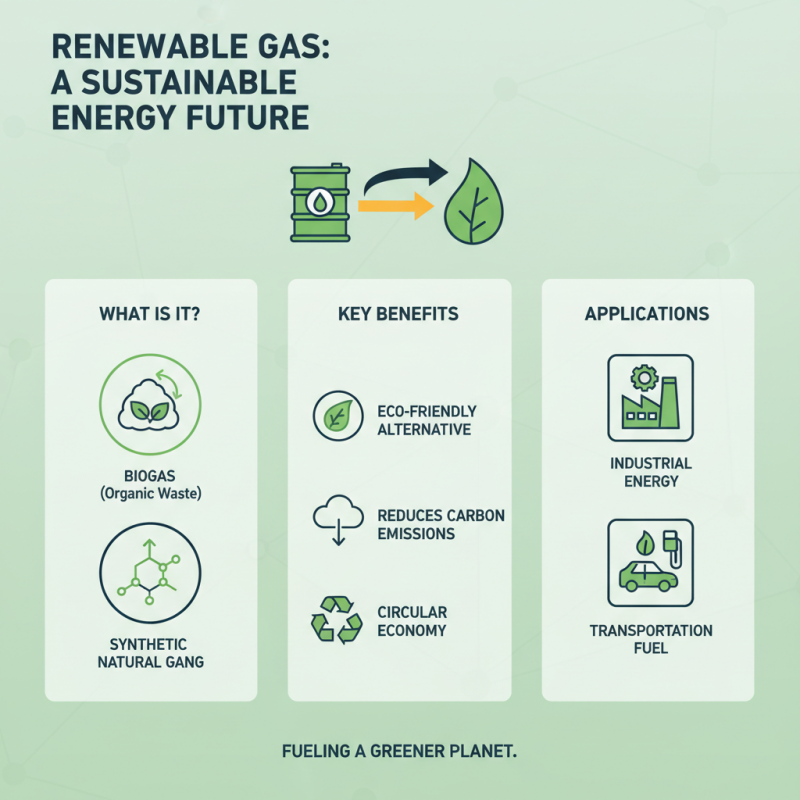
The transition from fossil fuels to renewable gas solutions is a crucial step toward achieving a sustainable energy future. Renewable gas, including biogas and synthetic natural gas, offers an eco-friendly alternative that can significantly reduce carbon emissions. By harnessing organic waste, these solutions not only minimize landfill usage but also promote a circular economy. As industries and communities pivot towards greener practices, renewable gas can play a pivotal role in energy production, heating, and even transportation.
Tips for engaging with renewable gas solutions include advocating for local initiatives that promote the production of biogas from agricultural or municipal waste. These projects not only provide a sustainable energy source but also bolster local economies and create jobs. Additionally, individuals can explore home energy solutions, such as anaerobic digesters, to turn their waste into a viable energy resource. Encouraging policymakers to implement supportive regulations for renewable gas technology can also catalyze this necessary transition.
Building awareness about the benefits of renewable gas is paramount. Educational campaigns can inform the public about the environmental impact of fossil fuels and the advantages of switching to sustainable alternatives. By fostering a culture of sustainability, communities can drive demand for renewable gas solutions, ultimately contributing to a cleaner, more resilient energy landscape.
The Role of Biogas in Energy Sustainability
Biogas plays a crucial role in the pursuit of energy sustainability, offering a renewable and environmentally-friendly alternative to traditional fossil fuels. According to a report from the International Renewable Energy Agency (IRENA), biogas production could potentially reduce global greenhouse gas emissions by up to 1.5 gigatons annually by 2030. This substantial reduction underscores the importance of biogas in mitigating climate change impacts and promoting cleaner energy solutions. Biogas, primarily composed of methane and carbon dioxide, is generated from the decomposition of organic materials, making it a versatile option for agricultural waste, municipal solid waste, and even wastewater treatment facilities.
Tips: To maximize the potential of biogas in your community, consider promoting local initiatives for organic waste collection. Encouraging residents and businesses to participate in these programs can significantly enhance the availability of feedstock for biogas production.
Moreover, biogas systems can contribute to energy resilience by providing decentralized energy solutions. As per the Global Bioenergy Partnership, investments in biogas technology could provide energy access to over 900 million people globally by 2030. This decentralized approach not only empowers local communities with sustainable energy resources but also stimulates local economies. By harnessing biogas as a key component of our energy mix, we can take significant strides towards an eco-friendly future.
Tips: Community engagement is essential. Organize workshops to educate local stakeholders about the benefits of biogas, which can inspire collaborative efforts to implement biogas projects in your area.
Advancements in Carbon Capture and Storage Techniques
The urgency of addressing climate change has led to significant advancements in carbon capture and storage (CCS) techniques, which are crucial for transitioning to a sustainable energy future. According to the International Energy Agency (IEA), CCS has the potential to account for over 15% of the cumulative emissions reductions needed by 2040 to meet global climate goals. This technology effectively captures carbon dioxide emissions from sources like power plants and industrial facilities, preventing them from entering the atmosphere.
Recent innovations in CCS methods include advanced absorption techniques and the development of solid sorbents, which enhance the efficiency of CO2 capture. For instance, a 2022 report by the Global CCS Institute highlights that new solvent technologies can improve capture efficiency by up to 30%, enabling facilities to achieve closer to net-zero emissions. In addition, geological storage techniques have seen improvements, with high-capacity reservoirs identified for effective long-term CO2 storage, ensuring that captured emissions can be safely sequestered underground.
The integration of CCS with renewable energy sources also presents a promising avenue for sustainable development. A study by the National Renewable Energy Laboratory estimates that deploying CCS alongside bioenergy production could lead to negative emissions, effectively removing more CO2 from the atmosphere than is produced. Such synergies not only enhance energy security but also exemplify the role of CCS in shaping a resilient energy landscape for future generations.
Policy Frameworks Supporting Clean Energy Gas Initiatives
The transition to clean energy gas solutions is heavily influenced by robust policy frameworks that aim to support sustainable initiatives.
Governments play a pivotal role in defining the regulatory landscape that guides the adoption and development of clean energy technologies. By implementing incentives such as
tax credits, grants, and subsidies for renewable gas projects, they encourage investment and innovation in sectors such as biogas production, hydrogen generation, and advanced biofuels.
These policy measures not only promote economic growth but also facilitate the reduction of greenhouse gas emissions, aligning with global climate goals.
In addition to financial incentives, comprehensive policy frameworks must also address infrastructure development and regulatory alignment. This includes establishing standards for clean gas technologies,
streamlining permitting processes, and investing in the necessary infrastructure to support the distribution and integration of clean energy gases into existing energy systems.
Collaborative efforts between governments, private sectors, and communities are essential to create a favorable environment for the growth of clean energy gas solutions, ensuring that these initiatives are not only feasible but also scalable.
As the world moves toward a more sustainable future, emphasis on strong policy frameworks will be crucial in enabling the transition to cleaner energy alternatives.