



CAREER
Your career.
Optimized.
Join Exodraft and our shared
ambition to build the bridge to a CO₂-neutral
future with greener energy for everyone.
7 Tips for Choosing a Reliable Steel Plate Manufacturer
Choosing the right Steel Plate Manufacturer can determine whether a project runs smoothly or faces costly delays. Quality begins long before the plate reaches a construction site. It starts with raw material control, accurate chemical analysis, and disciplined production records.
A reliable supplier should explain its processes clearly. Ask how steel grades are verified, how thickness is measured, and which tests support each certificate. Look for ultrasonic testing, tensile results, impact values, and heat-number traceability. These details matter when plates will support bridges, pressure vessels, machinery, or heavy structures. A factory visit can reveal practical truths: clean storage areas, labeled bundles, calibrated equipment, and workers who answer technical questions directly.
Do not judge a manufacturer only by a low quotation. Compare tolerances, surface condition, cutting accuracy, packaging, lead times, and after-sales support. Request recent inspection documents, references from similar projects, and evidence of recognized quality systems. Certifications help, but they do not replace consistent performance. That distinction is often missed.
No checklist is flawless. Even experienced buyers can overlook communication gaps or assume every certificate is current. A small trial order may expose weaknesses before a large contract begins. Reliable manufacturers welcome reasonable questions and correct mistakes openly. They should also provide realistic delivery dates, not attractive promises that later change.
These seven practical tips will help you evaluate suppliers with greater confidence. The goal is simple: dependable steel, clear evidence, and fewer surprises.eriwa
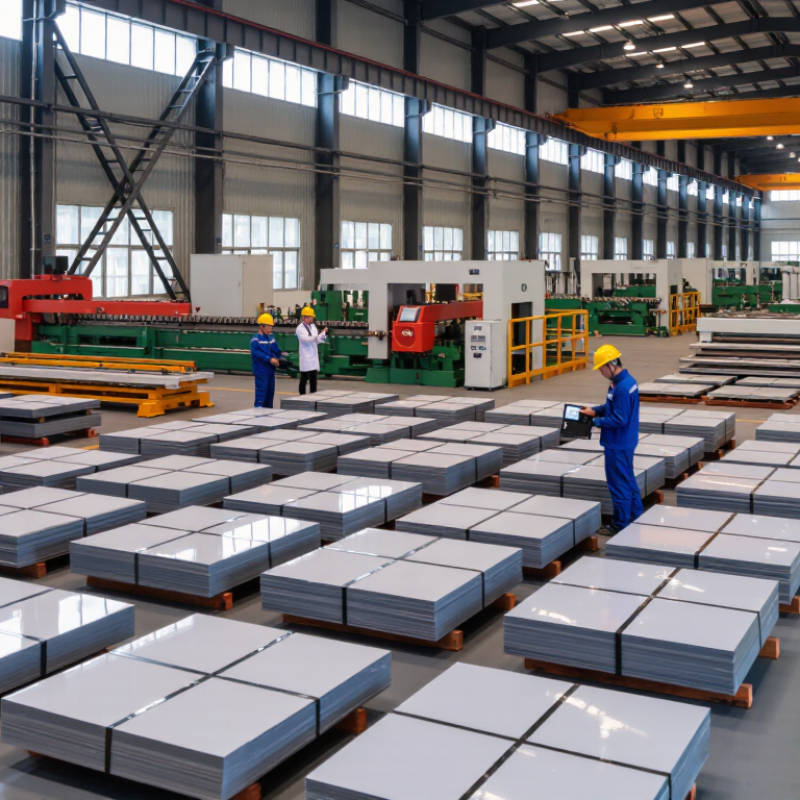
Define Your Steel Plate Requirements and Quality Standards
Choosing a reliable steel plate manufacturer starts with a precise definition of your requirements. Specify the steel grade, thickness, width, length, quantity, and intended application. A pressure vessel needs different performance from a construction platform.
Consider yield strength, tensile strength, impact toughness, weldability, and corrosion resistance. Temperature matters too. A plate used outdoors may face moisture, salt, and repeated temperature changes. Surface condition should be stated clearly, including rust limits, flatness, edge treatment, and allowable defects. Reference suitable standards, such as ASTM, EN, or ISO requirements, when applicable.
Quality documentation should be agreed before production begins. Request material test certificates, heat numbers, chemical analysis, mechanical test results, and dimensional inspection records. Traceability must connect each plate to its production batch. Ask whether independent inspection is available for critical orders.
Do not judge quality from certificates alone. Review the manufacturer’s sampling procedures, calibration records, nonconformance process, and packaging methods. Poor packaging can damage compliant steel during transport. A trial order may reveal more than a polished sales presentation.
Be careful with excessive specifications. Overdesign can increase cost without improving performance. I have seen purchasing teams request tight tolerances that their fabrication process could not measure consistently. That creates confusion, not quality.
Leave room for honest discussion. A dependable manufacturer should identify an unsuitable grade or unrealistic tolerance before production, even when that delays the order. Clear requirements make that judgment possible.
Verify Manufacturer Certifications, Production Capacity, and Equipment
Tip: Verify every certification before discussing price. A reliable steel plate manufacturer should provide current certificates, issuing bodies, and covered production sites. Check whether ISO 9001 applies to steel production, not only office administration. For pressure or structural applications, request traceable mill test certificates, such as EN 10204 3.1 documents. Confirm heat numbers on the certificate match the plate markings. One overlooked mismatch can create serious quality questions.
Tip: Examine production capacity with practical questions. Ask for monthly output, plate thickness ranges, minimum order quantities, and normal delivery times. Compare these figures with furnace size, rolling mill dimensions, and storage space. Capacity claims can sound impressive but remain vague. A site visit, recent production records, or anonymized shipping schedules can reveal more. I once trusted a stated lead time too quickly. That was a useful mistake.
Tip: Inspect equipment and testing controls. Look for calibrated ultrasonic testing machines, spectrometers, cutting systems, and heat-treatment furnaces. Ask how often instruments are calibrated and who approves test results. Experienced manufacturers can explain their process without hiding behind technical language. Request a sample inspection report, including chemical composition, tensile strength, yield strength, and impact results. Small details matter. Also check how rejected plates are identified and isolated. A clean workshop helps, but consistent records matter more.
Evaluate Material Quality, Testing Procedures, and Traceability
7 Tips for Choosing a Reliable Steel Plate Manufacturer
Evaluate Material Quality, Testing Procedures, and Traceability
Tip 1: Verify the steel grade, chemistry, thickness tolerance, and heat number before ordering. The World Steel Association reported about 1.89 billion tonnes of crude steel production in 2023. Such volume makes supplier control essential, not optional. Request mill certificates with carbon, manganese, sulfur, and phosphorus results. Check whether the stated values match the applicable ASTM, EN, or ISO specification. A certificate alone is not proof. I have seen documents reviewed too quickly, while the actual plate markings received little attention.
Tip 2: Examine testing procedures in detail. Ask whether samples represent each heat and plate thickness. Confirm tensile, impact, bend, ultrasonic, and visual inspections where required. ASTM A370 provides widely used methods for mechanical testing.
Tip 3: Review calibration records for testing equipment. A perfect-looking report means little when machines are overdue for calibration. Third-party inspection can expose gaps, although it also adds cost and time.
Tip 4: Demand traceability from raw material to shipment. Each plate should connect to its heat number, test results, production date, and inspection record. OECD steel market reports continue to highlight global overcapacity and uneven market conditions. Lower prices may therefore reflect weaker controls, not better efficiency.
Tip 5: Test a small shipment before scaling purchases. This step feels slow. It can reveal inconsistent hardness, lamination, or marking quality before a larger project is affected. Mistakes remain possible, so keep retention samples and photographic records.
Compare Pricing, Delivery Reliability, and Customization Services
When comparing steel plate manufacturers, never judge price from the quotation total alone. Ask for a line-by-line breakdown covering grade, thickness, tolerances, testing, packaging, and freight. A low offer may exclude inspection certificates or edge preparation. Those missing details can create expensive rework later. Look closer.
From my sourcing experience, delivery reliability deserves measurable evidence. Request recent on-time delivery records, realistic production schedules, and clear responses to delays. Confirm whether plates are made from available stock or scheduled for a new production run. Check the packaging, too. Bent corners and surface damage can turn a punctual shipment into a serious project problem. Port congestion matters, but vague excuses should not replace a recovery plan.
Customization services often separate a capable manufacturer from a simple distributor. Discuss cut-to-size plates, drilled holes, bevelled edges, special tolerances, and material test documentation before placing an order. Ask for a drawing review and a sample inspection when dimensions are critical. Technical staff should explain what they can control and what they cannot. I once focused too heavily on unit pricing and underestimated setup charges for irregular cuts. That mistake changed my evaluation method, although I still occasionally compare quotations too quickly. Reliable suppliers welcome detailed questions, record agreed specifications, and provide updates with traceable documents rather than promises alone.
Assess Customer Support, Reputation, and Long-Term Partnership Potential
A reliable steel plate manufacturer should support your project after the quotation. The World Steel Association’s October 2024 Short Range Outlook estimated global steel demand at about 1.75 billion tonnes in 2024. Such scale increases supply pressure. Ask how the manufacturer handles delays, substitutions, and urgent technical questions. Request a named contact, response-time commitment, and escalation path. Test them with a real inquiry. Vague replies are revealing.
Reputation requires evidence, not polished testimonials. Check recent customer references, delivery records, mill certificates, and complaint-resolution examples. The ISO Survey 2023 reported more than 1.26 million ISO 9001 certificates worldwide. Certification shows a quality system exists. It does not guarantee responsive service. Inspect how heat numbers, chemical composition, dimensions, and inspection results are recorded. One missing document can delay fabrication.
Long-term partnership potential appears in small details. A dependable supplier explains production limits before accepting an order. They discuss forecast planning, safety stock, packaging, and changing specifications. Review sample contracts carefully. Are price adjustments and late-delivery responsibilities clear? Ask whether quarterly performance reviews are available. Useful metrics include on-time delivery, nonconformity rates, response time, and corrective-action closure. Be realistic, too. No manufacturer avoids every mistake. What matters is transparent ownership and measurable recovery. I would still require a trial order before committing to a multi-year relationship.