


CAREER
Your career.
Optimized.
Join Exodraft and our shared
ambition to build the bridge to a CO₂-neutral
future with greener energy for everyone.
What is a Stacker Crane System and How Does It Work?
In the ever-evolving landscape of warehousing and logistics, the Stacker Crane System has emerged as a pivotal technology. According to the Material Handling Institute, the global market for automated material handling equipment is projected to reach $50 billion by 2026. Stacker cranes, with their ability to enhance storage density and streamline retrieval processes, play a significant role in this growth. These systems are designed for efficiency, reliability, and precision, making them indispensable in modern warehouses.
The way a Stacker Crane System operates is both fascinating and complex. Utilizing vertical storage solutions, these cranes can minimize floor space while maximizing output. For instance, by utilizing high-density racking, a facility can improve storage capacity by up to 85%. However, it’s essential to consider that the implementation of such systems requires thoughtful planning and investment. Many companies witness initial challenges such as integration issues and the need for staff training.
Despite these hurdles, the long-term benefits outweigh the challenges. The Stacker Crane System can significantly reduce operational costs while increasing order accuracy. In a time where efficiency is paramount, this technology stands out. As industries adapt to increasing demands, stacking solutions will undoubtedly play a critical role in shaping the future of material handling.
What Is a Stacker Crane System and Its Role in Warehousing?
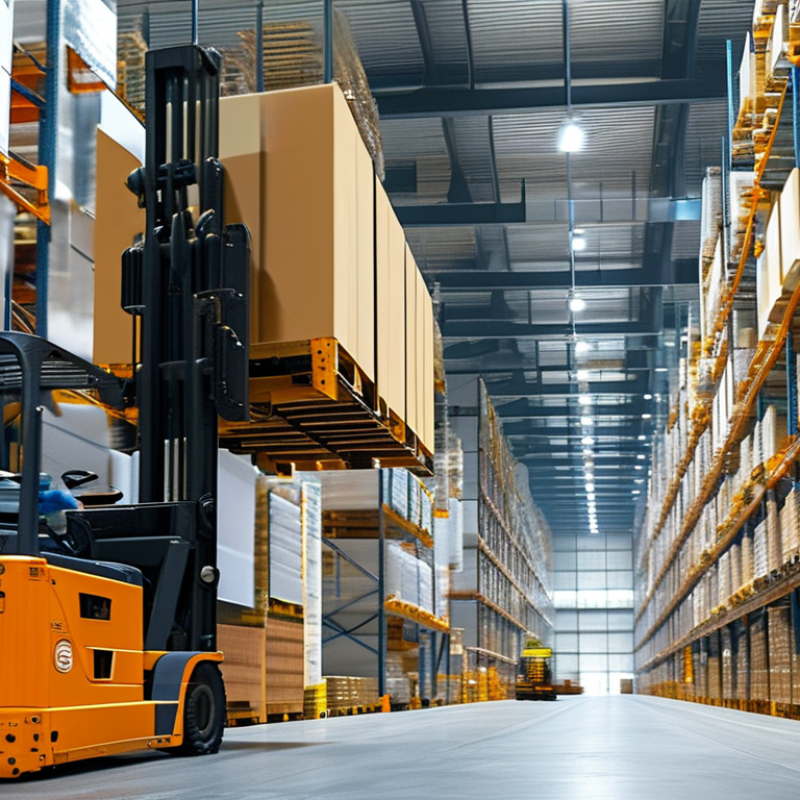
Stacker crane systems play a crucial role in modern warehousing operations. These automated machines improve efficiency by handling and storing goods in high-rack storage areas. Designed to navigate specific aisles, stacker cranes can retrieve and place items with precision. They maximize vertical space by stacking products several levels high. This feature is vital for businesses that require optimized warehouse layouts.
In addition to storage, stacker cranes enhance inventory management. They simplify the tracking of goods and reduce the risk of damage during handling. Operators can depend on these systems to operate swiftly and accurately. However, relying solely on automation may lead to challenges, such as technical failures or maintenance issues. It's essential for warehouse managers to find a balance between automation and human oversight.
While stacker cranes significantly improve productivity, they also highlight the need for ongoing training. Staff must understand the technology and potential pitfalls. Regular assessments of the system's efficiency can prevent bottlenecks. By addressing shortcomings, businesses can fine-tune their processes and ensure smooth operations.
What is a Stacker Crane System and How Does It Work?
| Feature | Description | Advantages | Applications |
|---|---|---|---|
| Automation | Use of automated systems for pallet handling. | Increased efficiency and accuracy in storage operations. | Warehouse storage and retrieval. |
| Space Optimization | Utilizes vertical storage space in warehouses. | Maximizes storage capacity with minimal footprint. | Distribution centers and manufacturing facilities. |
| Speed | Rapid movement of goods in and out of storage. | Speeds up the warehousing process significantly. | Retail operations and logistics. |
| Integration | Can be integrated with warehouse management systems. | Seamless operation and data management. | Automated warehouses and e-commerce fulfillment. |
| Safety | Reduces human error in storage and retrieval tasks. | Enhances workplace safety and reduces accident rates. | Pharmaceuticals and chemical storage. |
Key Components and Technology Behind Stacker Crane Systems
Stacker crane systems are essential in modern warehousing and logistics. These highly automated systems store and retrieve products efficiently. Key components include the crane itself, control software, and storage racks. The crane moves horizontally and vertically, optimizing space use when storing goods.
According to a report by the Material Handling Industry of America, using stacker cranes can increase storage capacity by up to 60%. The technology behind these systems often involves advanced sensors and machine learning algorithms. These technologies help in accurately positioning items and preventing collisions. Properly implemented systems contribute to improved operational efficiency and reduced labor costs.
Tip: Regular maintenance of your stacker crane is crucial to avoid costly downtimes. Even minor mechanical issues can disrupt operations and lead to inventory mismanagement.
Another important factor is operator training. Well-trained staff can enhance productivity and ensure the systems are used to their full potential. Inefficient operation can lead to safety risks and inefficient handling of inventory, negating the advantages stacker cranes offer. Focus on creating a training schedule to keep your team informed about system updates and safety protocols.
Operational Mechanism: How Stacker Cranes Move and Lift Materials
Stacker cranes are essential in modern warehouses and distribution centers. They automate the storage and retrieval of materials, enhancing efficiency. Their operation involves precision and advanced technology. A stacker crane moves along a fixed track, typically in a high-bay storage system. It can navigate vertically and horizontally, maximizing the use of space.
The lifting mechanism relies on a fork or clamp that secures the load. Sensors ensure proper alignment when picking up or placing items. This precise control is key to avoiding damage. Operators can program these cranes for tasks, but errors can lead to system delays. Regular maintenance is crucial to ensure reliability.
While stacker cranes improve efficiency, they also present challenges. Training staff to operate these systems properly can be time-consuming. Miscommunications may occur, causing inefficient operations. Furthermore, if systems malfunction, it can halt the workflow dramatically. Understanding these potential pitfalls is vital for businesses.
Efficiency Metrics: Benefits of Implementing Stacker Crane Systems
Stacker crane systems enhance warehouse efficiency through automation. These systems maximize storage capacity by utilizing vertical space. They transport materials within narrow aisles, reducing floor space waste. The ability to handle various loads makes them versatile.
Incorporating stacker cranes can improve operational speed. Tasks that once required multiple workers can now be managed by a single system. This can reduce labor costs and minimize human errors. However, there are challenges. Implementing a stacker crane system requires significant upfront investment. Companies must assess their volume to ensure the system aligns with needs.
Maintenance is also crucial. Regular checks are necessary to keep the system running smoothly. Neglect can lead to breakdowns and costly repairs. Training staff on system use and troubleshooting is essential. Mistakes in operations can impact productivity and safety. Despite these challenges, the benefits of stacker crane systems in optimizing warehouse operations make them a worthwhile consideration.
Industry Applications: Where Stacker Cranes Are Most Commonly Used
Stacker cranes are integral to various industries, providing efficiency in material handling. The automotive sector often incorporates these systems for parts storage and retrieval. In fact, a 2022 report by the Automotive Industry Action Group notes that stacker cranes can boost inventory efficiency by up to 30%. This improvement translates to significant cost savings and reduced downtime.
In warehouse and distribution centers, stacker cranes help manage inventory effectively. According to the Warehousing Education and Research Council, nearly 70% of facilities use stacker cranes for optimizing floor space. By operating at various heights, these systems maximize storage capacity while minimizing human labor. Despite their advantages, some businesses struggle with integration into existing systems.
The food production industry also benefits from stacker cranes. They handle bulk materials and ensure quick access to product ingredients. However, monitoring safety and hygiene remains a challenge. As per the Food Safety and Inspection Service, ensuring compliance can slow down the efficiency gains stacker cranes typically provide. Proper planning and regular audits are necessary to mitigate these risks while maintaining productivity in fast-paced environments.