Why Solid Fuel is Gaining Popularity in Sustainable Energy Solutions
In recent years, the search for sustainable energy solutions has intensified, leading to a renewed interest in various energy sources. Among these, solid fuel has emerged as a prominent contender. Solid fuel, which encompasses biomass, coal, and other organic materials, is being recognized for its potential to contribute to cleaner energy production and carbon neutrality goals. Unlike conventional fossil fuels, the utilization of solid fuel is often associated with lower emissions and a smaller carbon footprint, making it an attractive option for both developing and developed nations looking to transition to greener energy systems.
The rising popularity of solid fuel can largely be attributed to technological advancements and increasing awareness of environmental issues. The development of efficient combustion technologies is enabling the more effective and cleaner use of solid fuels, significantly reducing harmful emissions. Moreover, the push towards sustainable energy has prompted investments in innovative practices that enhance the production and consumption of solid fuels, particularly from renewable resources like agricultural waste and forestry byproducts. As governments and organizations worldwide strive for energy independence and sustainability, solid fuel offers a viable alternative that aligns with the principles of renewable energy while leveraging existing resources.
Understanding Solid Fuel as a Sustainable Energy Source
Solid fuel is increasingly recognized as a viable sustainable energy source, gaining traction in both developed and developing regions. According to the International Energy Agency (IEA), solid fuels, including biomass, coal, and other organic materials, accounted for approximately 36% of the world's energy consumption in 2021. This rise is attributed to their renewability and the lower carbon emissions when sourced responsibly. As governments and industries seek alternative energy solutions, solid fuels offer a way to reduce reliance on fossil fuels while leveraging the carbon neutrality of certain biomass options.
One of the most compelling aspects of solid fuels is their potential for carbon cycle management. The Carbon Trust notes that when sustainably sourced, biomass can effectively offset its greenhouse gas emissions. Reports suggest that utilizing agricultural residues and dedicated energy crops can result in up to 90% lower emissions compared to coal. However, it's essential to ensure that the sourcing of such fuels does not lead to deforestation or other negative environmental impacts, underscoring the importance of responsible management practices.
Tip: When considering the use of solid fuels, ensure you source materials from certified suppliers who practice sustainable harvesting. This not only helps in reducing the carbon footprint but also supports local ecosystems and economies.
Tip: Prioritize diversification in your energy mix. Combining solid fuels with other renewable sources, such as solar or wind, can enhance energy resilience while minimizing environmental impacts.
Why Solid Fuel is Gaining Popularity in Sustainable Energy Solutions - Understanding Solid Fuel as a Sustainable Energy Source
| Solid Fuel Type |
Renewability |
Carbon Emissions (gCO2/kWh) |
Energy Density (MJ/kg) |
Application Area |
| Wood Pellets |
Yes |
20 |
15 |
Residential Heating |
| Briquettes |
Yes |
15 |
18 |
Commercial Heating |
| Charcoal |
Yes |
35 |
30 |
Cooking and Heating |
| Agricultural Residues |
Yes |
10 |
16 |
Power Generation |
| Peat |
Partially |
60 |
25 |
Heating and Electricity |
The Environmental Benefits of Solid Fuel Compared to Fossil Fuels
The environmental benefits of solid fuel compared to fossil fuels are increasingly significant as the world seeks sustainable energy solutions. Solid fuels, such as biomass and coal, have been effective in reducing greenhouse gas emissions when sourced and utilized responsibly. Unlike fossil fuels that release a high amount of carbon dioxide and other pollutants during combustion, solid fuels can be carbon-neutral, especially when produced from renewable resources. This property allows for a reduced carbon footprint, as the carbon released during burning is offset by the carbon absorbed during the growth of the biomass.
Moreover, solid fuels can enhance energy security by diversifying energy sources. As countries move away from a heavy reliance on fossil fuels, transitioning to solid fuels encourages the use of locally sourced materials, which can lead to greater energy independence. The use of solid fuels also supports waste management efforts; agricultural byproducts and waste materials can be transformed into energy, reducing landfill usage and pollution. By adopting solid fuels, communities can take significant strides toward achieving sustainable energy goals while improving air quality and mitigating climate change effects.
Technological Innovations Driving Solid Fuel Adoption
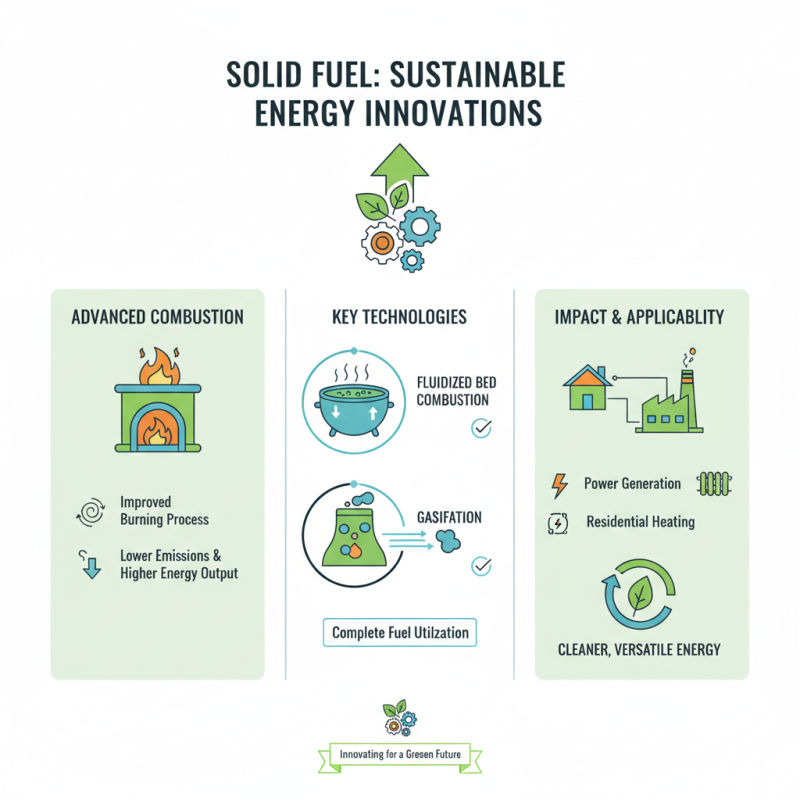
The rise of solid fuel in sustainable energy solutions can largely be attributed to significant technological innovations that enhance its efficiency and environmental viability. Advanced combustion technologies have improved the burning process, resulting in lower emissions and higher energy outputs. Innovations such as fluidized bed combustion and gasification have allowed for more complete fuel utilization, maximizing the energy derived from solid biomass and waste materials while minimizing harmful by-products. These breakthroughs not only make solid fuel a cleaner option but also expand its applicability across various sectors, including power generation and residential heating.
In addition, improvements in fuel processing technologies have led to the development of cleaner and more efficient solid fuels. Processes like torrefaction and densification make biomass easier to handle, transport, and store, which increases its usability. These innovations are crucial for integrating solid fuels into existing energy infrastructures, giving them a competitive edge over traditional fossil fuels. As the demand for renewable energy sources grows, the continued evolution of technology in solid fuel will play a pivotal role in shaping a more sustainable energy landscape, offering effective solutions to meet the world's energy needs while addressing environmental concerns.
Economic Factors Influencing the Popularity of Solid Fuel
The rising popularity of solid fuel in sustainable energy can be significantly attributed to various economic factors. A report by the International Energy Agency (IEA) indicates that the global market for solid biofuels, which includes wood pellets and agricultural residues, is expected to reach $120 billion by 2025. This growth is driven by the increasing demand for renewable energy sources that offer cost-effective alternatives to fossil fuels. Solid fuels provide a more stable price point, especially in regions where traditional energy costs are volatile, which makes them an appealing choice for both consumers and industries.
Additionally, the economic feasibility of solid fuels is further showcased by their relatively lower investment costs compared to other renewable energy solutions like solar or wind. The U.S. Department of Energy highlights that the installation and operational expenses for solid fuel heating systems can be significantly lower, with average savings of 20% to 30% on energy bills for households transitioning from electric or propane heating. This affordability not only benefits residential users but also encourages businesses to adopt solid fuels in their operations, thus broadening the market base.
Tips: When considering a switch to solid fuels, evaluate the available local resources and delivery options to ensure you are maximizing economic benefits. Additionally, consider investing in efficient storage solutions to minimize waste and improve the overall efficiency of your heating system. Engaging with community energy programs can further enhance your understanding of the cost savings associated with solid fuel use.
Case Studies: Successful Implementation of Solid Fuel Solutions
Solid fuel is increasingly recognized as a viable solution in the pursuit of sustainable energy, with numerous case studies highlighting its successful implementation across various sectors. A recent report from the International Energy Agency indicates that solid fuels, particularly biomass and coal, contribute over 50% of global energy generation in some regions. For instance, in Scandinavia, countries have successfully integrated wood pellets as a primary energy source for heating, reducing greenhouse gas emissions by approximately 30% compared to traditional fossil fuels.
In another noteworthy example, a municipal waste-to-energy project in Germany showcased how converting organic waste into solid fuel not only diverted waste from landfills but also generated clean energy for approximately 5,000 households. This transition not only demonstrates the dual benefit of waste management and energy production but also aligns with European Union goals to increase renewable energy sources to 32% by 2030.
Tip: When considering the implementation of solid fuel solutions in your projects, assess local resources and technology compatibility to maximize efficiency and minimize costs. Partnering with local energy cooperatives can also enhance community support and drive sustainable practices.
Solid Fuel Popularity in Sustainable Energy Solutions
This chart illustrates the annual consumption of various solid fuel types utilized in sustainable energy solutions. Biomass exhibits the highest consumption, indicating its pivotal role in the energy market.