What is Solid Fuel and How is it Used in Energy Production?
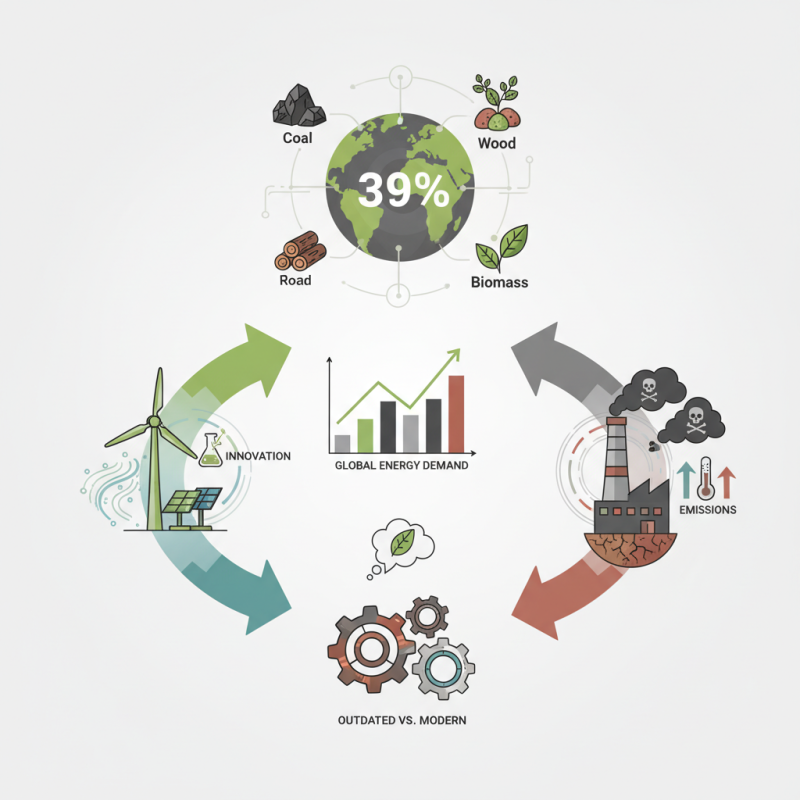
Solid fuel plays a crucial role in energy production around the world. This versatile energy source includes coal, wood, and biomass. According to the International Energy Agency (IEA), solid fuels accounted for about 39% of global energy consumption in 2021. Despite its significance, the industry faces challenges related to environmental impact and sustainability.
Dr. Emily Carter, a well-known expert in solid fuel research, states, “We must innovate our methods of using solid fuel to minimize emissions.” This quote highlights the necessity of improving current practices. While solid fuels are abundant and cost-effective, their environmental footprint warrants close examination. There is a growing concern about carbon emissions and pollution related to their usage.
Furthermore, the reliance on solid fuel raises questions about long-term sustainability. The potential for modernizing combustion technologies exists, yet the industry often struggles with outdated methods. Balancing energy demands with ecological responsibility is a complex issue. As global energy needs continue to rise, solid fuel will remain a vital component—but not without its hurdles.
Definition and Composition of Solid Fuel
Solid fuel is a type of energy source made from solid materials. It is commonly derived from organic materials, mineral sources, or a combination of both. Examples include coal, wood, and biomass. These fuels are utilized for their energy content through combustion.
The composition of solid fuel varies greatly. For instance, coal is primarily carbon, with some hydrogen and sulfur. Wood consists of cellulose, hemicellulose, and lignin, along with moisture content. Biomass fuels can include agricultural residues like straw and energy crops. The combustion characteristics depend on their composition and moisture levels.
Using solid fuel has its pros and cons. It can provide a high energy output, making it efficient for heating and electricity generation. However, burning solid fuels can release pollutants. This creates environmental concerns that many overlook. Sustainable practices are essential to mitigate negative impacts. Solid fuel is widely used today but demands careful consideration in its application.
Solid Fuel Types and Their Energy Content
Types of Solid Fuels Used in Energy Production
Solid fuels play a vital role in energy production. There are various types of solid fuels, each with unique characteristics and uses. Coal is one of the most common solid fuels. It is abundant and widely used in power plants. However, it has a significant environmental impact due to carbon emissions.
Biomass is another popular option. This includes wood, agricultural residues, and even municipal waste. Biomass can be carbon-neutral, making it an attractive alternative. It releases less sulfur and nitrogen oxides compared to coal. However, the sourcing of biomass needs careful consideration to avoid deforestation.
You can also explore alternative solid fuels like peat and lignite. These fuels have a lower energy density. They require more significant amounts for efficient energy production. Their environmental impact should be weighed against their benefits.
Tips: When using solid fuels, always consider efficiency. Efficient appliances can reduce waste and emissions. Regular maintenance is crucial for optimal performance. Stay informed about local regulations regarding solid fuel use. This can help you make responsible choices.
Processes Involved in Burning Solid Fuels for Energy
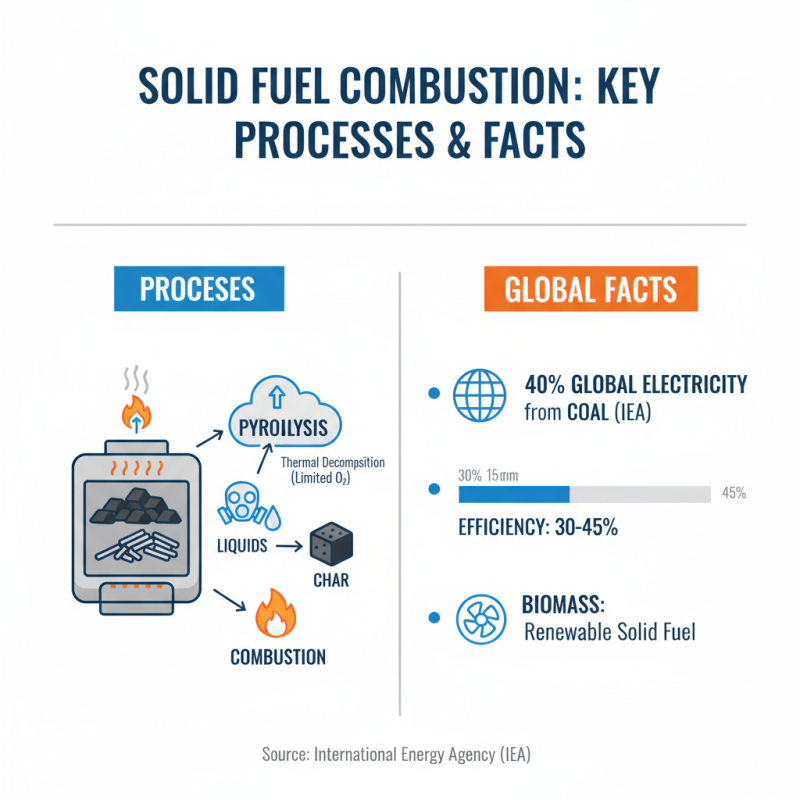
Burning solid fuels involves several key processes. When solid fuels, such as coal or biomass, are introduced into a combustion chamber, they undergo pyrolysis. This is the thermal decomposition under limited oxygen, producing gases, liquids, and char. According to the International Energy Agency, around 40% of global electricity production relies on coal combustion. The efficiency of this process varies, often ranging from 30% to 45%.
As combustion progresses, the fuel reaches ignition temperature. Oxygen must be supplied to sustain the fire. Inadequate air supply leads to incomplete combustion, resulting in harmful emissions. Studies suggest that unburned carbon in coal can account for up to 10% of its weight. Thus, optimizing the combustion process becomes crucial for reducing environmental impact.
Monitoring the temperature is vital. Too high can lead to thermal NOx formation, which contributes to air pollution. If too low, emissions like soot increase. The data from the World Coal Association reveals that even small improvements in combustion efficiency can lead to significant reductions in greenhouse gas emissions. However, achieving this balance is challenging and often requires advanced technology and algorithms.
Advantages and Disadvantages of Solid Fuels
Solid fuels, like coal, wood, and biomass, have been staple energy sources for centuries. They offer several advantages in energy production. One key benefit is cost-effectiveness. Solid fuels are often more affordable than gas or oil. Additionally, their availability is widespread. Many countries have abundant resources, reducing dependency on imports.
However, there are notable downsides to solid fuels. Burning them releases significant carbon emissions. This contributes to air pollution and climate change. The extraction process can also disrupt local ecosystems. For example, coal mining often leads to habitat destruction. These environmental impacts raise important ethical questions.
Users of solid fuels may encounter efficiency issues. Not all solid fuels burn cleanly or completely. This means people may need to invest in advanced technology for cleaner combustion. It's crucial to weigh the perks against the drawbacks. Achieving a balance is essential for a sustainable future in energy production.
Applications of Solid Fuel in Various Industries
Solid fuel plays a significant role in various industries. It consists of organic materials like wood, coal, and agricultural waste. These materials are easy to obtain and often cost-effective. In the energy sector, solid fuel is used in power plants for electricity generation.
In the steel and cement industries, solid fuel also finds its place. For steel production, it acts as both fuel and reducing agent. The energy it provides helps melt iron ore. In cement production, solid fuel powers kilns, essential for creating high-quality cement. However, the environmental impact of using solid fuels must be carefully considered.
Alternative uses for solid fuel exist as well. For example, it can be converted into biochar, enhancing soil quality. Yet, reliance on solid fuels raises concerns over carbon emissions. Balancing energy needs with sustainability is crucial. As industries evolve, innovative methods for solid fuel usage could emerge, making the future more promising.