



CAREER
Your career.
Optimized.
Join Exodraft and our shared
ambition to build the bridge to a CO₂-neutral
future with greener energy for everyone.
How to Save on Gas and Energy Costs in 2025 with Simple Tips
As the world witnesses shifts in energy consumption patterns and rising costs, the importance of managing gas and energy expenses has never been more pronounced. According to the U.S. Energy Information Administration, energy prices are expected to increase by up to 10% in 2025, placing a significant burden on households and businesses alike. This trend highlights the critical need for effective strategies to mitigate escalating energy costs.
Simple adjustments in daily energy consumption can lead to meaningful savings. For instance, the Department of Energy suggests that making small improvements in home insulation can reduce heating and cooling costs by about 20%, translating to substantial savings on annual gas and energy expenditures. Additionally, shifting usage to off-peak hours and utilizing energy-efficient appliances can further optimize energy consumption and lead to lower utility bills.
In light of these challenges, this article presents practical tips for saving on gas and energy costs in 2025, empowering readers to make informed decisions that contribute to both financial relief and sustainability. By adopting these strategies, individuals can not only alleviate the stress of rising energy costs but also contribute to a more sustainable future.
Understanding Your Energy Consumption: Key Factors to Consider
Understanding your energy consumption is crucial for managing and reducing gas and energy costs effectively. According to the U.S. Energy Information Administration (EIA), residential energy consumption in the United States accounts for nearly 22% of the nation’s total energy use. This figure highlights the importance of understanding key factors that influence individual energy consumption, including heating and cooling needs, insulation quality, and appliance efficiency. For instance, the EIA reports that space heating generally represents about 42% of energy use in an average American home, underscoring the potential savings through better insulation and thermostat management.
Moreover, consumer behavior and lifestyle choices play a significant role in energy consumption. The American Council for an Energy-Efficient Economy (ACEEE) suggests that simple changes, such as reducing water heater temperature and using energy-efficient LED lighting, can cut household energy expenditure by 20% on average. The ACEEE also notes that upgrading to energy-efficient appliances has a significant impact, with households potentially saving over $500 annually. By assessing these factors and implementing small changes, consumers can achieve substantial savings on their energy bills by 2025, all while contributing to a more sustainable energy future.
Identifying Cost-Effective Energy Sources for Home and Vehicle
Identifying cost-effective energy sources is essential for reducing gas and energy expenses in 2025. One promising approach is the utilization of renewable energy options such as solar and wind power. Homeowners can consider installing solar panels to harness sunlight, which can significantly decrease electricity bills over time. Many regions offer incentives and tax rebates that can offset the initial installation costs, making this an attractive long-term investment. In addition to solar energy, small wind turbines can also be an effective solution for homes in windy areas, contributing to decreased reliance on conventional energy sources.
For vehicle owners, exploring alternative fuels is crucial for cutting down gas expenses. Electric vehicles (EVs) are becoming increasingly affordable and accessible, often requiring lower maintenance than conventional gasoline vehicles. Charging an EV can be significantly cheaper than filling a gas tank, especially if homeowners can install a charging station powered by their own renewable energy systems. Additionally, biofuels and hydrogen fuel cells are emerging technologies that offer potential savings and environmental benefits. By choosing vehicles equipped for these energy sources, drivers can not only save money but also contribute to a more sustainable future.
How to Save on Gas and Energy Costs in 2025
Practical Tips for Reducing Gas Consumption During Daily Commutes
Reducing gas consumption during daily commutes is essential for both saving money and minimizing environmental impact. One practical tip is to maintain your vehicle properly. Regular oil changes, tire inflation checks, and air filter replacements can significantly enhance fuel efficiency. Ensuring that your car is in optimal condition allows it to run more smoothly, ultimately using less gas on everyday trips.
Another effective strategy is to adopt more efficient driving habits. Accelerating gradually and maintaining a steady speed can lead to better fuel economy. Additionally, if possible, consider carpooling or using public transportation. Sharing rides not only cuts down on gas expenses but also reduces traffic congestion. For those who have flexible work hours, try commuting outside of peak times when traffic is lighter, allowing for a more efficient journey. These small adjustments can lead to significant savings over time, making each commute not only more economical but also more environmentally friendly.
Simple Home Energy Efficiency Improvements for Lower Utility Bills
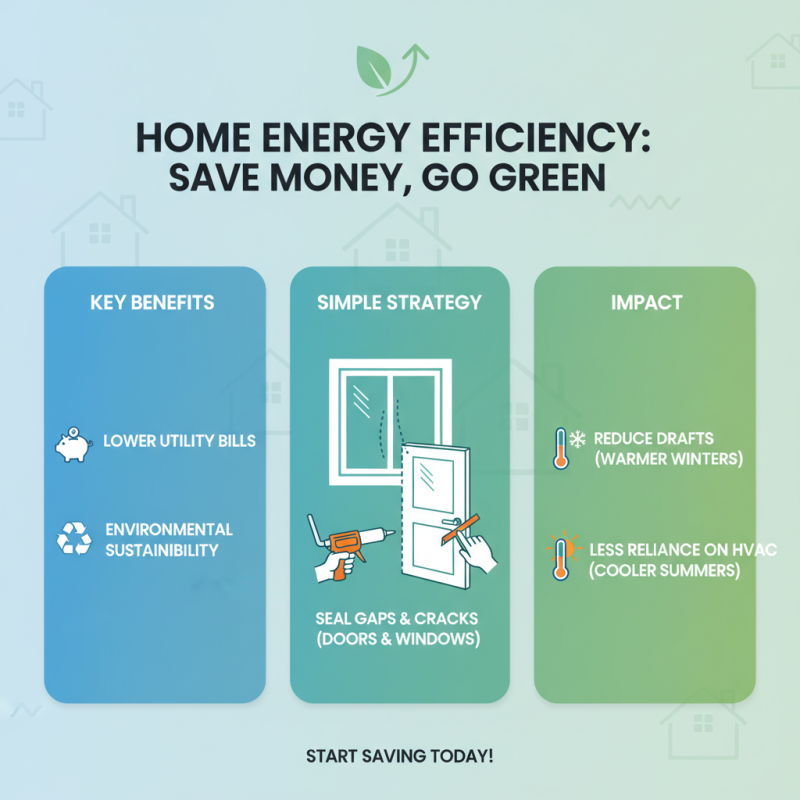
Improving home energy efficiency is an effective way to lower utility bills while contributing to a more sustainable environment. By implementing a few simple strategies, homeowners can significantly reduce gas and energy costs. One of the easiest and most impactful improvements is sealing gaps and cracks in doors and windows. Weather stripping and caulk can prevent drafts, keeping your home warmer in winter and cooler in summer, ultimately reducing reliance on heating and cooling systems.
Another beneficial tip is to invest in energy-efficient appliances and fixtures. Replacing old light bulbs with LED options not only saves electricity but also lasts longer, minimizing replacement costs over time. Additionally, upgrading to smart thermostats can optimize heating and cooling schedules based on your lifestyle, leading to substantial energy savings.
Finally, consider enhancing insulation in your home. Adequate insulation in the attic and walls can help maintain a consistent indoor temperature, reducing the workload on your heating and cooling systems. This not only enhances comfort but also translates into lower utility expenses. Small, thoughtful changes can lead to noticeable savings in energy costs, making your home more efficient and budget-friendly.
Utilizing Technology and Apps to Monitor and Optimize Energy Use
As we look ahead to 2025, optimizing energy use has become more crucial than ever for both financial and environmental reasons. Utilizing technology and apps can play a significant role in monitoring and enhancing our energy consumption habits. Smart home devices, for instance, allow users to track their energy usage in real-time, providing insights into which appliances consume the most power. By identifying these high-energy culprits, homeowners can make informed decisions about when to use or turn off specific devices, ultimately leading to significant savings on gas and electricity bills.
In addition to smart devices, various energy management apps are available to help consumers optimize their usage patterns. These applications can analyze historical energy data, provide recommendations for energy-efficient practices, and even alert users to unusual spikes in usage. By setting energy-saving goals and receiving reminders, families can cultivate habits that reduce their overall consumption. Furthermore, many of these tools offer integration with renewable energy sources, allowing users to monitor their solar or wind energy production alongside their consumption, thus achieving a more sustainable lifestyle while keeping costs manageable.
How to Save on Gas and Energy Costs in 2025 with Simple Tips - Utilizing Technology and Apps to Monitor and Optimize Energy Use
| Tip | Description | Technology/App | Estimated Savings (%) |
|---|---|---|---|
| Smart Thermostats | Automates temperature adjustments based on your schedule. | Nest, Ecobee | 10-15% |
| Energy Monitoring Apps | Track energy usage patterns and identify peak hours. | Sense, EnergyHub | 5-10% |
| LED Lighting | Replace traditional bulbs with energy-efficient LED bulbs. | N/A | 20-30% |
| Home Insulation | Enhance insulation to reduce heating and cooling needs. | N/A | 15-25% |
| EV Charging Apps | Find optimal charging stations and manage charging times. | PlugShare, ChargePoint | 3-8% |
Related Posts
-
How Energy Help Can Reduce Your Bills and Improve Your Home Efficiency
-

How to Find Energy Efficient Solutions for Your Home and Lifestyle
-

Why Solid Fuel is Gaining Popularity in Sustainable Energy Solutions
-

2025 Top 5 Fuel Efficient Vehicles to Maximize Your Savings and Eco-Friendly Driving
-

How Energy Help Can Transform Your Life and Boost Your Productivity
-
Top 5 Benefits of Using Particulate Filters for Cleaner Air