How to Choose Energy Efficient Heating Systems?
Choosing the right heating system affects household comfort, energy bills, indoor air quality, and long-term maintenance. A cold morning quickly reveals whether a system heats evenly or leaves rooms chilly. This guide explores energy efficient heating options for different homes, climates, and budgets.
Heat pumps, high-efficiency furnaces, boilers, and hybrid systems each have practical strengths. Their performance depends on correct sizing, insulation, ventilation, and installation quality. A qualified professional should complete a room-by-room heat-loss calculation before recommending equipment. Oversized systems may cycle frequently, waste energy, and create uneven temperatures. That is easy to miss.
The discussion will explain efficiency ratings, installation costs, operating expenses, noise levels, and maintenance needs. It will also consider electricity prices, fuel availability, local weather, and available incentives. Manufacturer figures provide useful comparisons, but real-world results can differ. Poor ductwork or neglected filters can undermine an impressive rating. Small details matter.
Reliable decisions require more than choosing the highest advertised efficiency. Homeowners should request written estimates, warranty terms, projected energy use, and references from experienced installers. Independent certification and local building requirements also deserve attention. No system is perfect. A heat pump may perform differently during severe cold, while a furnace may bring higher emissions and fuel dependence. Careful evaluation creates a more balanced choice, even when the answer is less obvious.
Understanding Heating Energy Efficiency and Household Needs
How to Choose Energy Efficient Heating Systems?
Heating efficiency is not only about a high performance rating. It must suit your household, local climate, and daily routines. A small, well-insulated apartment may need a different system than a draughty older house. Count the rooms used each day, the number of residents, and the hours when heating is needed. Comfort is personal.
Before choosing equipment, inspect insulation, windows, ventilation, and existing controls. Heat can escape through an uninsulated loft or poorly sealed door. Replacing the heater first may waste money. Measure before replacing. A qualified heating professional can estimate heat loss room by room, rather than relying on floor area alone. Ask for efficiency data under realistic operating conditions, not only the best laboratory figure.
I once saw a household keep every room warm, even when two rooms were rarely used. Zoned controls could have reduced unnecessary energy use, but installation costs still mattered. That detail is easy to overlook.
Maintenance also affects performance; blocked filters, dirty components, or incorrect settings can quietly increase consumption. Compare purchase, installation, servicing, and expected operating costs over several years. Energy prices change, and efficiency claims can be misunderstood. Review the advice carefully, then choose a system that delivers steady comfort without exceeding the home’s actual needs.
Comparing Major Energy-Efficient Heating System Types
Choosing an efficient heater starts with the building, not the equipment label. The U.S. Energy Information Administration reports that space heating used about 42% of household site energy in 2020. That makes sizing, insulation, and controls financially important. A short energy audit can reveal cold floors, leaking windows, or oversized radiators.
Air-source heat pumps usually offer strong efficiency in mild and cold climates. The International Energy Agency states that typical heat pumps can deliver three to five units of heat for each electricity unit consumed. Ground-source systems can perform more steadily, but drilling or trenching increases installation costs. Electric resistance heaters are simple and inexpensive to install. They convert electricity directly into heat, yet they usually consume more energy during long heating seasons.
Condensing gas boilers can reach around 90–98% annual fuel utilization efficiency, according to U.S. Department of Energy guidance. However, fuel combustion still creates on-site emissions and requires safe venting. Biomass systems may suit rural properties with reliable, certified fuel supplies. Their real performance depends heavily on moisture, storage, and maintenance. Poorly sized heat pumps may cycle frequently. That wastes comfort and efficiency. I would not choose from efficiency ratings alone. Local electricity prices, winter design temperature, duct condition, and repair access can change the result. The comparison is not tidy. Even the best system performs badly when installed carelessly.
Evaluating Seasonal Performance, Fuel Sources, and Emissions
How to Choose Energy Efficient Heating Systems?
Seasonal performance matters more than a single laboratory rating. Check AFUE for fuel-burning equipment, or HSPF2 and SCOP for electric heat pumps. These figures estimate performance across changing outdoor temperatures. A system that performs well at 10°C may struggle during a freezing night. Ask for climate-specific data, not only the highest advertised rating. Look beyond the label.
Fuel choice changes both operating costs and emissions. Electricity can produce fewer direct emissions indoors, especially when supplied by renewable generation. However, its overall impact depends on the local power grid. Gas, oil, and biomass may release carbon dioxide and pollutants during combustion. Combustion also requires safe ventilation and regular inspection. Small details matter.
Measure the home before choosing equipment. Poor insulation, leaky windows, and oversized heaters can waste energy every winter. A qualified technician should calculate heat loss room by room. This prevents short cycling, uneven temperatures, and unnecessary fuel use. I would also compare annual energy consumption, maintenance needs, and expected service life. Purchase price alone can mislead.
Real-world performance is rarely perfect. Occupants open doors, filters become dusty, and weather changes unpredictably. I once underestimated the effect of a cold hallway on comfort; the system ran longer than expected. That mistake showed why installation quality deserves equal attention. Request commissioning records, seasonal estimates, and clear emissions information before accepting a proposal.
Calculating Installation Costs, Operating Expenses, and Long-Term Value
Choosing an energy-efficient heating system starts with total cost, not the showroom price. List the equipment, labor, electrical upgrades, duct repairs, permits, and disposal fees. The U.S. National Renewable Energy Laboratory includes these components in its Annual Technology Baseline cost assumptions. Local quotes can differ sharply.
Then estimate annual operating expenses. Use this simple formula: yearly energy use multiplied by the local energy rate. The U.S. Department of Energy reports that air-source heat pumps can deliver two to four units of heat for each unit of electricity consumed. However, efficiency falls during severe cold, and backup heating may increase bills. Check the system’s measured performance at your climate’s design temperature. Small details matter.
Long-term value requires a realistic service forecast. Include filter replacement, inspections, repairs, and expected equipment life. The International Energy Agency’s The Future of Heat Pumps report identifies efficiency and reduced fossil-fuel demand as major benefits, but it also highlights higher upfront costs and installation barriers. A spreadsheet helps, yet it can still mislead. My first estimate once ignored panel upgrades, creating a costly gap. Add a 10–15% contingency for uncertain work, then compare ten-year costs rather than monthly payments alone. Regional energy prices, insulation quality, and occupancy patterns can change the result. Reliability matters more than a perfect forecast.
Selecting the Right System and Planning Professional Installation
Choosing an energy-efficient heating system begins with your home, not a sales brochure. Check insulation, window quality, room sizes, and your local winter temperatures. A well-insulated home may need a smaller system than expected. Oversizing wastes energy and can create uneven indoor temperatures.
Ask a qualified heating professional to calculate the building’s heat loss. This step matters. A proper calculation considers walls, ceilings, windows, air leakage, and occupancy. Discuss operating costs, maintenance needs, noise levels, and available fuel or electricity. Heat pumps can suit mild climates, while high-efficiency boilers or furnaces may work better in colder conditions. The best choice depends on the property. There is no universal answer.
Tips:
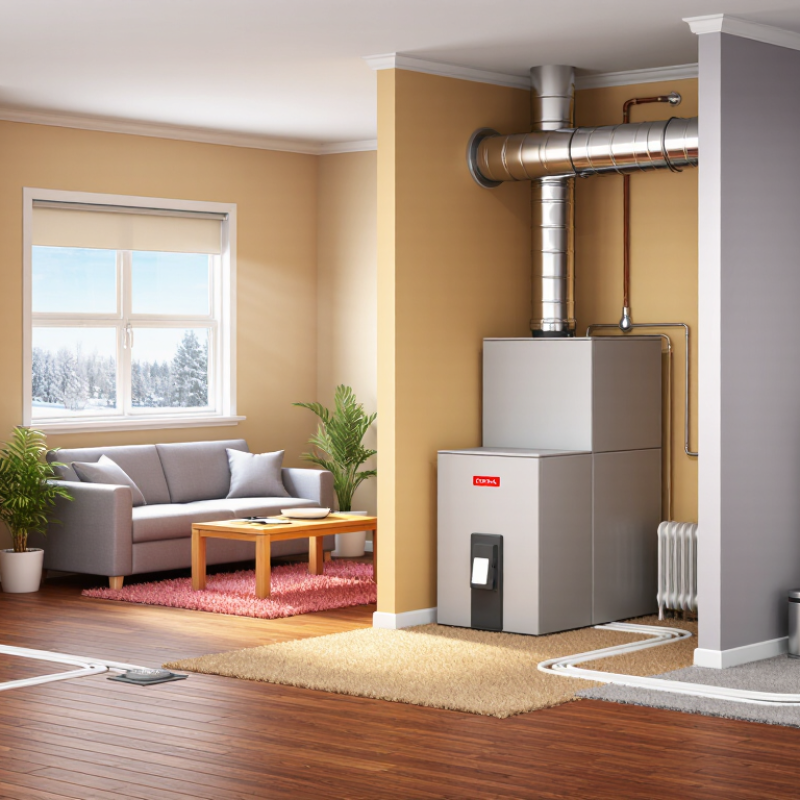
Request at least two written installation plans. Confirm the installer’s license, insurance, training, and relevant inspection requirements. Ask how ducts, pipes, controls, and outdoor units will be positioned. Poor installation can reduce efficiency, even with excellent equipment. Make sure the quote includes commissioning, safety checks, system settings, and homeowner instructions. After installation, review the airflow and thermostat operation yourself. I have seen projects where the equipment was efficient, but leaking ductwork weakened the result. That detail is easy to overlook. Keep service records, and question any recommendation that lacks measurements or clear reasoning.