What Is Flue Gas Desulfurization Equipment?
Flue Gas Desulfurization Equipment removes sulfur dioxide from exhaust gases produced by coal-fired power plants, industrial boilers, metal processing facilities, and other combustion systems. When sulfur-containing fuel burns, it creates acidic gases that can harm air quality, equipment, and surrounding ecosystems. This equipment acts as a pollution-control barrier before treated gas reaches the stack.
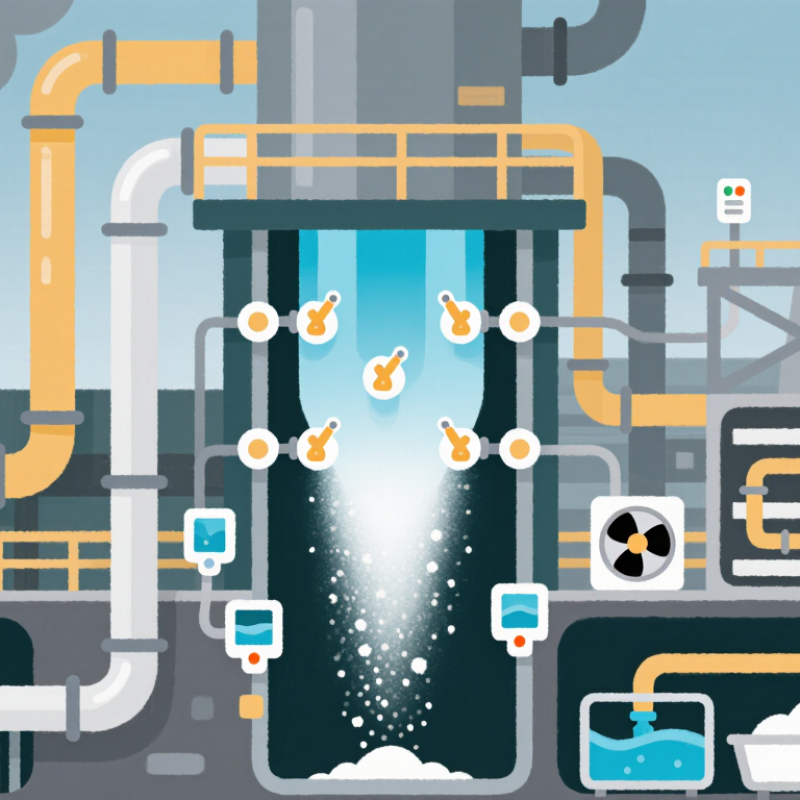
The most familiar design is a wet scrubber. It sprays limestone-based slurry into a tall absorber tower, where droplets contact the rising flue gas. Sulfur dioxide reacts with the alkaline material and forms by-products, often gypsum. Dry and semi-dry systems use less water, making them suitable for facilities with limited water availability. Each design has trade-offs involving removal efficiency, energy use, waste handling, and operating complexity.
In practice, performance depends on more than equipment size. Gas temperature, moisture, reagent quality, pressure drop, and spray coverage all matter. A poorly maintained nozzle can create uneven treatment, even when the control system appears normal. Operators usually monitor sulfur dioxide levels, slurry chemistry, fan performance, and particulate emissions. Regular inspections can reveal scaling, corrosion, leaks, or blocked pipelines before they become expensive failures.
No system is perfect. Equipment may reduce emissions without eliminating every pollutant. It can also produce wastewater or solid by-products that require responsible management. A reliable evaluation should therefore consider the entire process, from fuel preparation and gas cooling to monitoring and disposal. Understanding these practical details makes it easier to select Flue Gas Desulfurization Equipment that fits a facility’s fuel, capacity, environmental targets, and maintenance resources.
What Is Flue Gas Desulfurization Equipment?
Flue gas desulfurization equipment removes sulfur dioxide from exhaust produced by boilers, furnaces, and industrial processes. It helps reduce acid-forming emissions before gases reach the atmosphere. The equipment usually includes an absorber, circulation pumps, spray nozzles, fans, tanks, and monitoring instruments. Wet scrubbers use an alkaline slurry to contact the gas. Dry and semi-dry systems use powdered or atomized reagents instead. The right configuration depends on gas volume, sulfur content, moisture, space, and operating conditions.
Inside a wet scrubber, fans move hot gas through a tower filled with fine droplets. The slurry reacts with sulfur dioxide and captures it as a solid or dissolved compound. Operators monitor pH, pressure drop, temperature, liquid flow, and outlet emissions. A falling pH may indicate poor reagent control. Blocked nozzles can also reduce contact efficiency. Small failures matter. Corrosion is another concern, especially when acidic liquids reach unprotected surfaces.
Reliable performance requires careful design and disciplined maintenance. Engineers calculate gas flow, residence time, reagent demand, and expected pressure loss before installation. Field inspections should check pumps, seals, ductwork, nozzles, and sensor calibration. In practice, equipment performance may decline when fuel quality changes or deposits build up inside the absorber. A system can meet its design target under normal conditions yet struggle during sudden load changes. That limitation deserves attention. Accurate operating records help technicians identify gradual problems before they become expensive failures.
What Are the Main Types of Desulfurization Systems?
Flue Gas Desulfurization Equipment removes sulfur dioxide from combustion gases before release. The main types are wet, dry, and semi-dry systems. Each uses a different chemical contact method.
Wet limestone scrubbers spray an alkaline slurry through hot gas. They commonly achieve 90–98% SO₂ removal, according to the U.S. EPA Air Pollution Control Cost Manual. They also produce gypsum-rich wastewater or solids.
Dry sorbent injection feeds hydrated lime or sodium-based powder into the gas stream. It needs less water, but removal often reaches only 50–70% under practical conditions.
Semi-dry spray dryers sit between these options. They atomize lime slurry, then capture dry reaction products in a fabric filter. The EPA describes semi-dry systems as capable of roughly 70–95% removal, depending on fuel sulfur and operating control.
Tips: Match the system to sulfur content, gas temperature, water availability, and waste handling. The International Energy Agency notes that coal quality and plant efficiency strongly influence power-sector emissions. That detail matters here. A high-removal scrubber may still perform poorly with blocked nozzles or unstable slurry density. Field inspections often reveal this uncomfortable gap. Operators should test inlet and outlet SO₂ continuously, while checking pressure drop, pH, reagent flow, and corrosion. The European Environment Agency’s industrial emissions reporting also emphasizes reliable monitoring and verified data. Performance figures are not promises. They are operating targets.
What Components Make Up an FGD System?
What Is Flue Gas Desulfurization Equipment?
What Components Make Up an FGD System?
A flue gas desulfurization system combines several working sections. The absorber tower is the central vessel. It sprays limestone slurry across hot flue gas. Sulfur dioxide dissolves into the liquid and reacts with alkaline particles. The U.S. EPA Air Pollution Control Cost Manual reports that wet scrubbers can commonly achieve over 90% SO₂ removal. Actual performance depends on chemistry, gas flow, and maintenance.
The limestone handling unit stores and grinds raw material. Slurry tanks then mix limestone with process water. Recirculation pumps keep the absorber liquid moving continuously. Oxidation air converts absorbed sulfites into more stable sulfates. A mist eliminator removes liquid droplets before cleaned gas reaches the stack. The system may also include gypsum dewatering equipment, wastewater treatment, fans, ducts, sensors, and control software. European Commission BAT Reference Documents identify wet limestone scrubbing as a mature option for large combustion plants. Yet, “mature” does not mean effortless.
Tips: Inspect mist eliminator blades regularly. Small deposits can increase pressure loss. Check slurry density, pH, chloride levels, and pump vibration together. One reading rarely explains the whole problem. In operating plants, scaling often appears where drawings show a clean surface. That gap deserves attention. A poorly placed inspection port can make routine maintenance slower and less reliable. EPA guidance also stresses site-specific design, because fuel composition and operating load change equipment requirements.
Where Is Flue Gas Desulfurization Equipment Used?
What Is Flue Gas Desulfurization Equipment?
Where Is Flue Gas Desulfurization Equipment Used?
Flue gas desulfurization equipment is used wherever combustion produces sulfur dioxide. Common sites include coal-fired power plants, industrial boilers, cement kilns, steel mills, and waste-to-energy facilities. These systems treat exhaust gas before it reaches the stack, reducing acidic emissions that can harm air quality and sensitive ecosystems.
Large power stations often use wet scrubbers. Limestone slurry contacts hot flue gas inside an absorber, capturing sulfur dioxide and forming a gypsum-rich byproduct. Smaller facilities may choose dry or semi-dry systems because they require less water and simpler wastewater handling. On an operating site, technicians check slurry density, spray nozzles, pumps, ductwork, and corrosion protection. A poorly maintained nozzle can reduce cleaning performance quickly.
Tips: Match the system to fuel sulfur content, gas volume, temperature, and available water. Keep continuous emission monitoring calibrated. Inspect scaling and blockages during planned shutdowns. Local permits still determine acceptable limits. In practice, no system is flawless. Unexpected fuel changes, moisture, or fan wear can affect results. Engineers should review operating data instead of trusting design assumptions alone.
What Is Flue Gas Desulfurization Equipment?
Flue gas desulfurization (FGD) equipment removes sulfur dioxide (SO₂) from combustion exhaust before it reaches the atmosphere. It is commonly used in coal-fired power plants, industrial boilers, cement plants, metal-processing facilities, and waste-to-energy plants.
The chart shows typical SO₂ removal-efficiency ranges for major FGD technologies. Actual performance depends on fuel sulfur content, system design, operating conditions, and regulatory requirements.