
Explore our exciting job openings and become part of the team.

Our proud journey from a handcrafted chimney fan in Sorø to a global market leader with a focus on the green transition.

Dealer portal for existing dealers and partners.

Find your nearest dealer.

Inspiration, tips and tricks for your wood-burning stove and a healthier indoor climate.

CAREER

Your career.
Optimized.

Join Exodraft and our shared
ambition to build the bridge to a CO₂-neutral
future with greener energy for everyone.

10 Essential Tips for Energy Efficient Heating in Your Home

In today's world, where energy conservation and sustainability are increasingly becoming priorities, adopting energy efficient heating solutions in our homes is essential. Not only do these practices help reduce energy consumption and lower utility bills, but they also contribute to a healthier environment by minimizing our carbon footprint. As homeowners, we have the power to make informed choices that lead to more effective heating methods that are both cost-effective and environmentally friendly.

Implementing energy efficient heating strategies involves a combination of smart technology, proper insulation, and mindful habits. From selecting the best systems that maximize heat retention to integrating simple adjustments like regular maintenance and programmable thermostats, these tips can lead to significant energy savings over time. By focusing on energy efficient heating, we can create comfortable living spaces while simultaneously being stewards of our planet's resources. This article will provide you with ten essential tips to enhance your home's heating efficiency, making it a win-win for both your wallet and the environment.
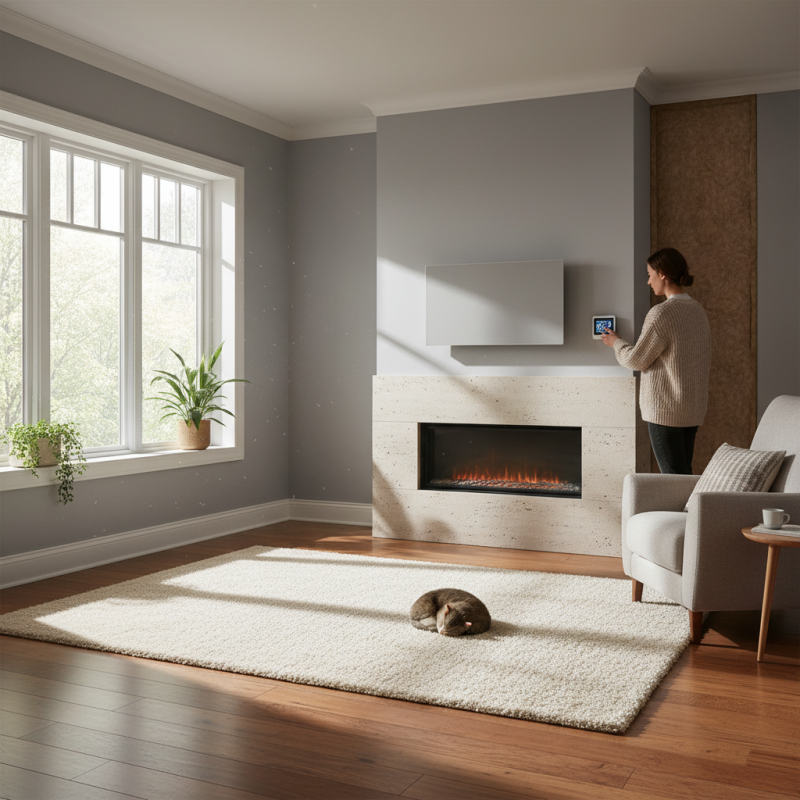
10 Essential Tips for Energy Efficient Heating in Your Home

Understanding Energy Efficient Heating Systems

When considering energy efficient heating systems, it’s essential to understand the various options available that can significantly reduce energy consumption while maintaining comfort. One commonly used system is the heat pump, which extracts heat from the outdoor air or ground and transfers it indoors. Unlike traditional heating systems that generate heat through combustion, heat pumps use electricity to move heat, making them highly efficient, especially in moderate climates. Their dual functionality also allows them to work as air conditioners in warmer months, providing year-round comfort.

Another option is radiant floor heating, which involves installing heating elements beneath the floor surface. This system provides consistent warmth from the ground up, eliminating the drafty feeling often experienced with conventional heating methods. Coupled with energy-efficient insulation and smart thermostats, radiant heating can further optimize energy usage by allowing for precise temperature control in each room. Understanding the benefits and mechanics of these systems is crucial for homeowners looking to lower their energy bills while promoting a more sustainable lifestyle.

Choosing the Right Heating System for Your Home

Choosing the right heating system for your home is pivotal in improving energy efficiency and reducing costs. According to the U.S. Department of Energy, heating accounts for about 42% of energy consumption in an average household, making the right choice critical for comfort and efficiency. When considering systems, homeowners should evaluate options such as heat pumps, furnaces, and boilers based on their specific needs and the climate of their region. Heat pumps, for instance, can be particularly effective in moderate climates, offering a greater efficiency rating over traditional heating systems, with the potential to reduce heating costs by up to 50%.

Furthermore, it’s essential to look into the sizing and installation of the heating unit. An oversized system may cycle on and off frequently, leading to increased energy costs and reduced comfort. The Canadian Home Builders' Association emphasizes the importance of proper sizing and recommends that homeowners consult energy professionals to perform a Manual J calculation. This assessment provides an accurate estimate of the heating needs based on the home’s layout, insulation quality, and climate zone. By taking these steps to select the right heating system tailored to their unique circumstances, homeowners can achieve substantial energy savings and enhance the overall efficiency of their heating solutions.

10 Essential Tips for Energy Efficient Heating in Your Home

Tip Number Tip Description Estimated Energy Savings (%) Ideal Heating System
1 Upgrade to a Programmable Thermostat 10-15% Central Heating
2 Seal Drafty Windows and Doors 5-10% Any
3 Install Energy Efficient Windows 25-30% Any
4 Maintain Your Heating System Regularly 10-20% Any
5 Consider Zone Heating 15-30% Radiant Heating
6 Use Ceiling Fans to Circulate Heat 5-10% Any
7 Insulate Your Home Properly 15-25% Any
8 Consider Using a Heat Pump 20-50% Heat Pump
9 Utilize Sunlight for Passive Heating 10-15% Any
10 Leverage Smart Home Technology 5-20% Any

Maintaining and Servicing Your Heating System Regularly

Regular maintenance and servicing of your heating system play a crucial role in ensuring energy efficiency and longevity. By scheduling annual check-ups with a qualified technician, you can catch potential issues before they escalate, thereby saving on costly repairs and enhancing the overall performance of your heating system. During these inspections, technicians typically clean vital components, check for leaks, and calibrate your system, all of which contribute to optimized energy use and reduced operational costs.

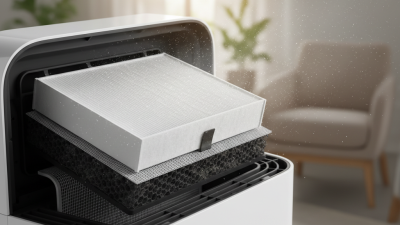
In addition to professional servicing, homeowners should also adopt simple maintenance practices to keep their heating systems running smoothly. Regularly replacing or cleaning filters is essential to improve airflow and efficiency. Ensuring that vents and radiators are unobstructed will facilitate better heat distribution throughout the home. Furthermore, checking for drafts around windows and doors can help maintain the temperature inside, reducing the strain on your heating system. By dedicating time to these practices, you can create a comfortable and energy-efficient living environment.

Utilizing Smart Technology for Efficient Heating Management

Smart Technology Smart technology has revolutionized the way we manage heating in our homes, providing innovative solutions for efficiency and convenience. By integrating smart thermostats, homeowners can easily monitor and adjust their heating systems from anywhere, reducing unnecessary energy consumption. These devices learn your schedule and preferences, optimizing the heating output according to your daily routines. For instance, they can automatically lower the temperature when the house is empty and raise it just before you return, ensuring comfort while minimizing energy waste.

Moreover, smart technology extends beyond thermostats to encompass various sensors and apps that enable comprehensive control over heating management. Smart sensors can detect occupancy in different rooms and adjust the heating accordingly, ensuring that warmth is only directed where it is needed most. Additionally, many of these systems can be controlled via smartphone apps, allowing users to track energy usage in real-time, set schedules, and receive alerts about maintenance needs. The integration of smart home technology not only enhances comfort but also promotes a sustainable lifestyle through energy-efficient heating practices.

Improving Home Insulation and Sealing Air Leaks

10 Essential Tips for Energy Efficient Heating in Your Home

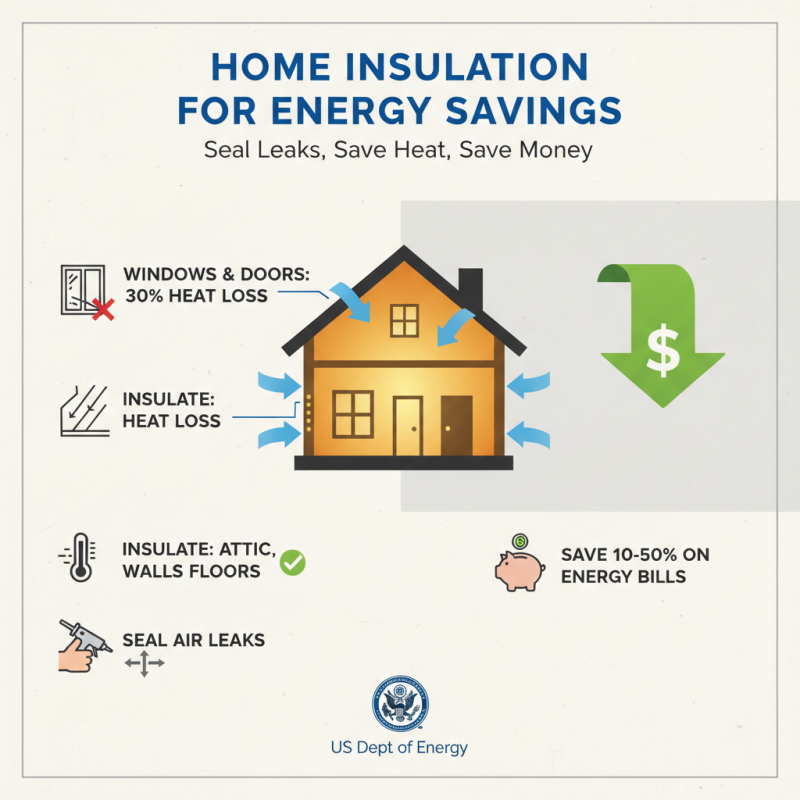
Improving home insulation and sealing air leaks are crucial steps in achieving energy-efficient heating. According to the U.S. Department of Energy, around 30% of the heat loss in a home occurs through windows and doors, making proper insulation and sealing an essential investment. By enhancing insulation in attics, walls, and floors, homeowners can significantly reduce heating costs. The Department of Energy estimates that homeowners can save an average of 10% to 50% on their energy bills by upgrading insulation and making necessary repairs to air leaks.

In addition to insulation, sealing air leaks is vital to prevent heated air from escaping and cold air from entering. Identifying common leak sources, like gaps around windows, doors, and vents, can help create a more comfortable environment. The Lawrence Berkeley National Laboratory reports that sealing air leaks can lead to energy savings of 15% or more, further improving the overall efficiency of heating systems. Regularly inspecting and maintaining these areas can not only reduce energy consumption but also enhance the longevity of heating equipment, emphasizing the importance of proactive measures in home energy management.

Contact us

Let us help you with the right solution

Address

HQ
Industrivej 10
5550 Langeskov

Talk to a consultant

Write to us to get in touch with a consultant

Address

HQ
Industrivej 10
5550 Langeskov

Thank you for your inquiry

Be contacted

Questions? Write to us and get a response

Address

HQ
Industrivej 10
5550 Langeskov

Thank you for your inquiry