Join Exodraft and our shared ambition to build the bridge to a CO₂-neutral future with greener energy for everyone.
What Are the Best Tactical Watches in 2026?
Choosing the best Tactical Watch in 2026 depends less on bold styling than on dependable performance in everyday conditions. A useful watch should be readable at a glance, comfortable under a jacket cuff, and simple to operate when attention is elsewhere. Small details matter. Button spacing, strap adjustment, and screen glare can shape the experience as much as a long feature list.
This guide compares watches by practical criteria, including display clarity, battery life, water resistance, durability, navigation tools, and ease of use. Specifications can help narrow the field, but they do not tell the whole story. A bright screen may drain power faster, while a thick case can feel awkward during long wear. Trade-offs are real. Rather than treating any model as universally best, we’ll consider which designs suit different routines, from outdoor travel to demanding workdays. We’ll also distinguish measurable features from marketing claims, using manufacturer specifications and trustworthy product information where available. One limitation deserves attention: published tests cannot fully predict how a watch will feel on your wrist after hours of use. That judgment is personal, and sometimes inconvenient. With that in mind, the comparisons ahead aim to make the choices clearer without promising a perfect pick.
In 2026, “tactical watch” is a practical category, not a single formal certification. It usually describes a watch built for demanding outdoor work: a legible display, dependable timekeeping, secure controls, and a case that tolerates knocks and weather. The Outdoor Industry Association’s 2024 Outdoor Participation Trends Report counted 175.8 million U.S. outdoor participants in 2023, or 57.3% of the population. That broad audience helps explain why rugged watches now serve hikers, field workers, and emergency teams—not one narrow profession. But rugged-looking is not the same as rugged-tested.
Look for specific evidence. ISO 6425 sets requirements for diving watches; it does not certify every tactical feature. ISO 22810 addresses water resistance, while MIL-STD-810H describes environmental test methods, not a universal watch approval. Ask which tests were performed, under what conditions, and whether results cover the complete watch. Check display contrast in sunlight, button use with gloves, battery life with navigation enabled, and whether the strap stays comfortable after hours of sweat. Small details matter. Water resistance can also decline as seals age, so a rating is not a permanent promise. I would treat vague claims cautiously; even a strong watch may be the wrong tool for a particular task.
Which Features Matter Most in a Tactical Watch
Which features matter most depends on how and where you wear a tactical watch. Clear, high-contrast markings help you read the time quickly in dim rooms or bright sunlight. Raised numerals and distinct hands are useful when your eyes are tired. Keep it simple. Buttons should be easy to operate with gloves, but protected enough to resist accidental presses. A backlight with adjustable brightness can preserve night vision better than a harsh, always-on glow. Water resistance and a scratch-resistant crystal matter for regular outdoor use, though no watch is indestructible.
Tips: Try the controls with gloves on. Check the display at arm’s length, in shade and direct sun. A comfortable strap matters after several hours, not just during a quick fitting.
Battery life deserves attention, especially if the watch uses GPS or frequent notifications. Solar charging can reduce charging stops, but it may not keep up with heavy use in low light. I’ve found it easy to overvalue extra modes; a feature that is awkward to reach may not help when you need it. Consider weight, too. A thick case can catch on a jacket cuff or feel tiring during a long walk. Choose the functions you will actually use, and check the maker’s care instructions before relying on water or impact ratings.
How to Compare Tactical Watch Performance and Durability
A tactical watch earns its place through reliable performance, not a rugged-looking case. Compare screen legibility in direct sun and dim conditions. Check whether the display stays readable at an angle, and whether the buttons are easy to operate with cold or gloved hands. Small controls can become frustrating fast.
Durability claims need context. Review the stated water-resistance rating and the maker’s guidance; ratings do not mean every watch suits every water activity. Look for clear information about shock protection, case materials, and temperature limits. Then consider power: solar charging may help outdoors, while frequent GPS use can shorten battery life. A practical test is to wear the watch on a long walk and note whether the strap rubs, the screen catches glare, or the controls are awkward. Even a capable watch can have an annoying little flaw.
Tips: Compare models under the same conditions. Check the time after a full day outdoors, inspect the strap and case for wear, and verify key functions before relying on them. Record what matters to you; there is no perfect checklist.
Leading Tactical Watch Options in 2026
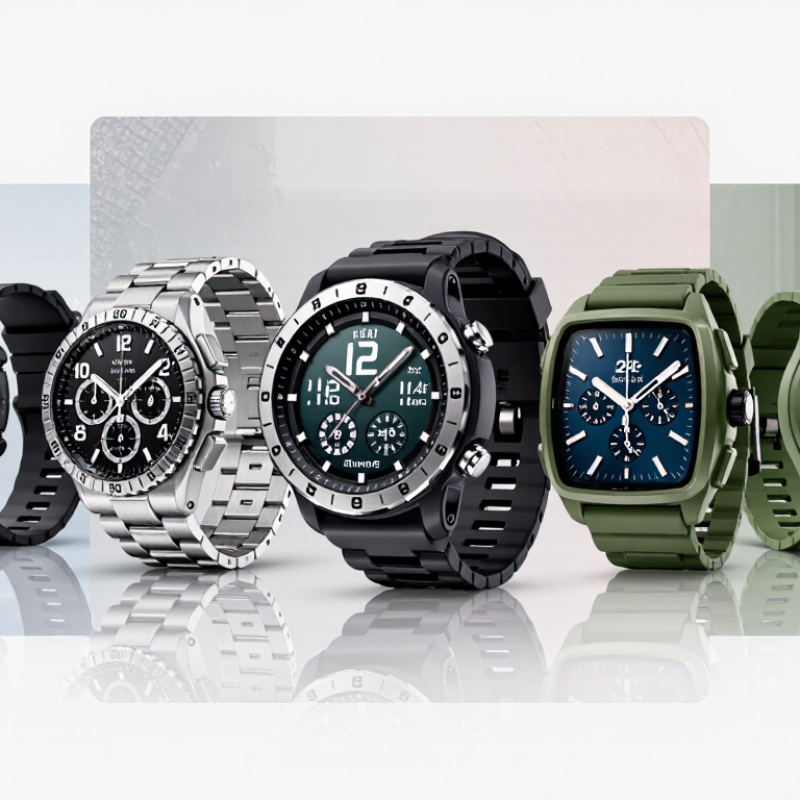
Leading tactical watch options in 2026 are best judged by task, not appearance. A rugged analog model suits people who want a clear dial, dependable timekeeping, and few menus. Look for raised markers, a grippy crown, and a strap that stays comfortable over a sleeve.
A solar digital watch can reduce charging worries and often adds alarms, timers, and a backlight. For route tracking, a GPS-enabled multisport watch may help, but check its mapping features and battery life before buying.
Materials matter in daily use. A stainless-steel case can feel reassuring, while a lighter polymer case may be easier to wear for long shifts or hikes.
Water resistance ratings are useful, but they do not make every watch suitable for every water activity. Simple can be better. Extra sensors and menus sound impressive, yet they can add weight, cost, and setup time.
Compare the display outdoors, test the buttons with gloves, and read the care instructions. No single option fits every wrist or routine.
Tips: Choose readable digits over a crowded face. Try the strap for several hours, not just in a shop. If you rely on GPS, check battery performance with tracking enabled; advertised maximums may reflect ideal conditions.
How to Choose a Tactical Watch for Your Needs
Choosing a tactical watch starts with the conditions you face most often. For hiking, a readable display and dependable backlight may matter more than a long list of features. If you work outdoors, check the case size, strap comfort, and water-resistance rating against your routine. Ratings are tested under specific conditions, so do not treat them as a promise for every activity. Try the watch under a jacket cuff and with gloves. Small details matter. A thick case can snag on fabric, while tiny buttons can be frustrating with cold fingers.
Choose features you will actually use. A compass can help with basic orientation, but it needs careful calibration and should not replace a map or other navigation skills. Solar charging may reduce battery changes, though it still depends on light exposure. For frequent night use, test the backlight in a dim room; bright daylight tells you little about nighttime readability. I would favor controls that feel simple over extra modes I rarely need. No watch is perfect. A lighter model may feel better all day but offer fewer protective features, so weigh the trade-off against your real use rather than the toughest-looking specifications.
What Are the Best Tactical Watches in 2026? How to Choose One for Your Needs
Water resistance is one practical factor to compare when choosing a watch for field use. This chart shows common ATM markings and their approximate static-pressure equivalents in metres of water.
These metre values describe approximate test pressure, not a guaranteed safe diving depth. For your needs, check the manufacturer’s guidance and choose a watch with a rating suited to the activity and conditions.