What Are the 2026 Best Turn Mill CNC Machines?
Choosing the 2026 best Turn-Mill Cnc Machine requires more than comparing spindle speed or brochure claims. Modern shops need reliable turning, milling, drilling, and threading in one controlled setup. A strong machine should reduce transfers, protect accuracy, and maintain stable production across demanding materials.
This guide examines machines through practical engineering criteria. These include spindle torque, live-tool power, Y-axis travel, bar capacity, thermal control, and controller usability. It also considers chip evacuation, tool access, workholding, maintenance support, and real operator feedback. A machine cutting stainless steel should not be judged like one producing small aluminum fittings. The shop floor tells the truth.
Some rankings remain debatable. A premium model may offer impressive automation, yet exceed the needs of a small contract manufacturer. Another machine may deliver excellent rigidity but lack responsive service in a specific region. That matters. Based on industry specifications, manufacturer documentation, application experience, and user-focused evaluation, this overview compares leading options for different production goals. It highlights where each machine performs well and where compromises appear. No single model wins every category. A practical choice depends on part complexity, batch volume, available floor space, programming skill, and long-term operating costs. Careful buyers should verify cycle-time claims with sample parts, cutting data, and local support before investing. Small details matter, such as coolant pressure, door clearance, and the time required for tool changes. These details often decide whether a machine becomes a productive asset or an expensive lesson.
What Is a Turn Mill CNC Machine?
What Is a Turn Mill CNC Machine?
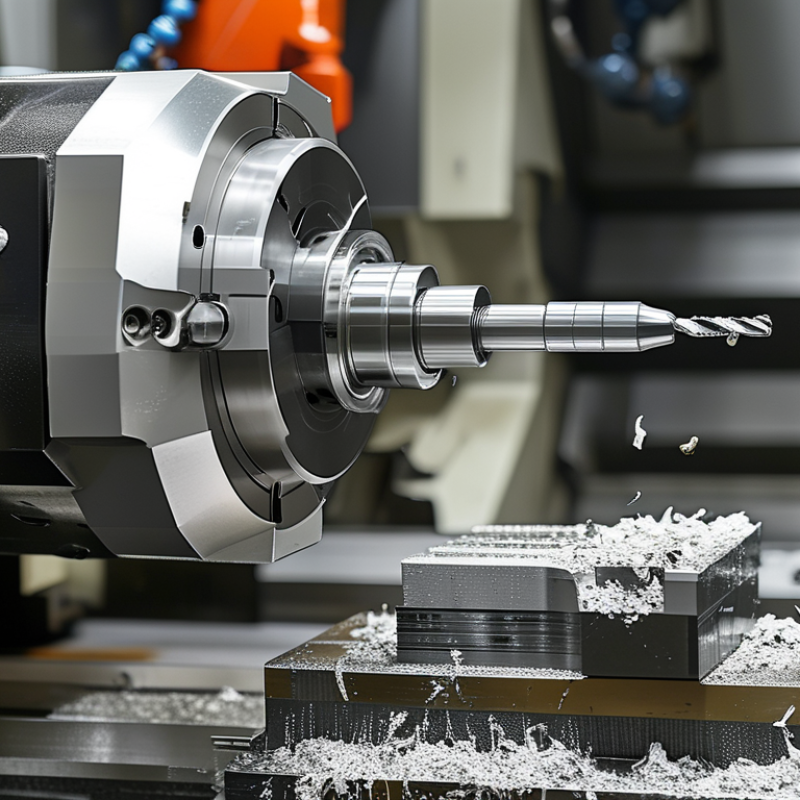
A turn mill CNC machine combines turning and milling in one computer-controlled platform. The workpiece rotates around its main axis, while cutting tools remove material from its surface. Live milling tools can also drill, slot, thread, and shape features without moving the part to another machine.
This combination reduces handling and keeps critical features aligned. For example, a shaft may receive an outside diameter, cross-hole, keyway, and thread in one setup. Fewer setups can improve repeatability and reduce marking from repeated clamping.
The machine often uses multiple axes, powered tooling, and automatic tool changes. Y-axis movement is especially useful for off-center milling.
Still, “best” does not mean the most complex machine. It means the machine matches the part, tolerance, material, and production volume. A rigid structure matters when cutting stainless steel or hardened alloys. Accurate probing and reliable chip control also affect daily results.
In practical use, programming errors can waste more time than cutting. That part is easy to underestimate.
Operators should review spindle torque, tool capacity, axis travel, bar capacity, and service support before choosing equipment. Simulation can reveal collisions, but it cannot replace careful setup checks.
A turn mill machine may reduce production time, yet it can demand stronger programming skills and disciplined maintenance. More capability is not always better. Sometimes, a simpler configuration produces steadier parts and fewer surprises.
How 2026 Turn Mill CNC Machines Combine Turning and Milling
What Are the 2026 Best Turn Mill CNC Machines?
In 2026, the strongest turn mill CNC machines combine turning and milling in one controlled workflow. A single spindle can turn a shaft, while live tools drill, tap, slot, and mill features without repeated clamping. This reduces alignment errors and keeps the workpiece closer to its original datum. Grand View Research estimates the global CNC machine market will grow at about 9.5% annually from 2024 to 2030. That growth reflects demand for flexible, multi-process equipment.
The practical advantage is fewer setups. A complex valve body may require turning, cross-drilling, and face milling. A turn mill center can coordinate these operations through synchronized axes, tool compensation, and automated probing. Deloitte’s 2024 Smart Manufacturing and Operations Survey found that 86% of manufacturers view smart manufacturing as important for competitiveness. Turn mill machines fit this shift because process data can support condition monitoring and repeatable quality checks.
Still, more capability does not guarantee better production. Programming can become difficult, especially with simultaneous five-axis movements and tight tool-clearance limits. Operators need strong simulation skills and disciplined tooling records. Otherwise, the machine becomes expensive overcapacity. This is where buyers should question cycle-time claims. A smaller, well-configured machine may outperform a larger model when parts are stable and programming remains simple. Mistakes still happen. Careful trials matter.
What Are the 2026 Best Turn Mill CNC Machines? - How 2026 Turn Mill CNC Machines Combine Turning and Milling
A practical comparison of leading turn-mill machine configurations by machining capability, work envelope, automation potential, and typical application.
How turn-mill machines combine operations: The main spindle performs turning while driven tools, Y-axis motion, interpolation, and optional B-axis positioning perform milling, drilling, tapping, and angular features in the same workholding setup. The ranges shown are representative industry specifications for machine classes available in 2026; actual capacity varies by configuration, workpiece material, tooling, and manufacturer option package.
Key Criteria for Evaluating the Best Turn Mill CNC Machines
Choosing the best turn mill CNC machine in 2026 starts with the workpiece, not the brochure. Measure required turning diameter, milling reach, material hardness, and expected batch size. A machine should hold tight tolerances after repeated cycles, not only during a short demonstration. Ask for test cuts using your own material.
Rigidity deserves close inspection. A heavy cast structure, stable guideways, and a properly supported spindle can reduce vibration on deep cuts. Check spindle speed, torque, live tooling power, and axis travel together. High speed means little if torque falls sharply at low rpm. Control response also matters. Simulate complex toolpaths, inspect collision protection, and confirm that operators can edit offsets without confusion. Small mistakes happen.
Workholding is another practical test. Check chuck repeatability, bar capacity, fixture access, and chip evacuation around the sub-spindle. Measure cycle time with tool changes, probing, and part transfer included. A fast cutting cycle may become slow on the factory floor. Review maintenance access, service training, spare-part availability, energy use, and software support. Ask for documented accuracy tests and several customer references, while treating promotional data carefully. The best evaluation combines supplier evidence with observations from your operators, because a machine that looks perfect on paper may feel awkward beside the coolant tank.
Top Turn Mill CNC Machine Types for Different Manufacturing Needs
What Are the 2026 Best Turn Mill CNC Machines?
Top Turn Mill CNC Machine Types for Different Manufacturing Needs
Choosing the best turn mill CNC machine depends on part shape, production volume, and tolerance demands. Horizontal turn mill machines suit shafts, fittings, and long cylindrical parts. Their chip flow is practical, especially during continuous cutting. A bar feeder can also reduce manual loading and improve repeatability.
Vertical turn mill machines handle large, heavy components more comfortably. Their upright workholding supports rings, flanges, and short, wide parts. Twin-spindle models are useful when both part ends need machining. They can transfer work between spindles with limited operator handling. This saves time. However, setup logic becomes more demanding.
Swiss-style turn mill machines fit small medical, electronic, and precision components. Guide bushings improve support near the cutting zone. They perform well with slender parts and tight diameters. For complex parts, machines with Y-axis and B-axis movement reduce secondary operations. Shops should inspect thermal stability, spindle speed, live tooling power, and coolant pressure. These details often matter more than advertised axis counts.
In practical evaluations, workholding is sometimes underestimated. A powerful machine cannot correct weak clamping or poor bar quality. Programming skill matters too. Some advanced configurations appear efficient but create longer setup times. A careful trial run should measure cycle time, surface finish, tool wear, and dimensional drift across several batches. Mistakes happen. The best choice is the machine that remains predictable on an ordinary Tuesday.
What Are the 2026 Best Turn-Mill CNC Machines?
Turn-mill CNC machine selection depends on workpiece size, part complexity, production volume, and the amount of milling required. The chart shows typical maximum workpiece or bar-diameter ranges for major turn-mill machine types used in manufacturing.
Best fit by manufacturing need: 2-axis turning centers suit basic cylindrical parts, Y-axis machines add off-center milling, B-axis mill-turn centers handle complex multi-sided components, and Swiss-type machines are optimized for small, long, high-volume precision parts. Actual capacity varies by machine configuration, tooling, chuck size, and manufacturer specifications.
How to Choose and Maintain a 2026 Turn Mill CNC Machine
In 2026, the best turn-mill CNC machine is not simply the fastest one. It must match part geometry, tolerance, batch size, and operator skill. I would compare spindle torque, bar capacity, Y-axis travel, live-tool power, and thermal stability. A rigid machine matters more than a glossy specification sheet. Thin stainless parts may need controlled heat and steady chip evacuation. Use real parts. Request a sample-cycle test with your actual material. That exposes weak fixturing and unrealistic cycle claims.
Deloitte’s 2024 Smart Manufacturing and Operations Survey found that 86% of surveyed manufacturing leaders expect smart manufacturing to drive competitiveness within three years. This supports choosing a machine with useful monitoring, alarm history, and open data access. Yet connectivity should not replace shop-floor judgment. Check sensors for spindle load, vibration, coolant condition, and axis temperature. Record baseline values during acceptance. I once trusted an alarm threshold without checking tool wear. The result was avoidable scrap. That mistake still matters.
Maintenance begins before production starts. Follow the service schedule, ISO 230-2 positioning checks, and lubrication intervals. Clean the chip conveyor daily. Inspect coolant concentration weekly. Check chuck pressure, tool-holder runout, and hydraulic leaks regularly. The U.S. Department of Energy reports that compressed-air leaks can waste 20% to 30% of compressor output. Inspect pneumatic lines routinely. Keep spare filters and critical seals available. Do not ignore small changes. A faint vibration, warmer bearing, or rising cycle time may signal early failure. Heavy nickel alloys may require shorter intervals than aluminum.