2025 Top Trends in Energy Efficiency for Businesses and Homes
As we approach 2025, the significance of energy efficiency has taken center stage in shaping the future of both businesses and homes. According to the U.S. Department of Energy, improving energy efficiency is essential for reducing greenhouse gas emissions, with buildings accounting for nearly 40% of total energy consumption in the United States. This pressing issue is leading organizations and homeowners alike to reevaluate their energy consumption patterns and adopt innovative strategies that not only save costs but also support sustainable practices.
The global focus on energy efficiency is further emphasized by the International Energy Agency (IEA), which reports that implementing energy-efficient technologies could reduce global energy demand by over 30% by 2040. As businesses strive to meet regulatory requirements and consumer expectations, leveraging advanced technologies such as smart meters and automation systems can significantly enhance energy efficiency. For homeowners, investing in energy-efficient appliances and building materials can create a substantial return on investment while contributing to a reduced carbon footprint.
In summary, the trends in energy efficiency for 2025 are set to transform the landscape for energy consumption across sectors. With ongoing advancements and a growing awareness of environmental impacts, both businesses and households are positioned to benefit from adopting energy-efficient practices, ensuring a resilient and sustainable future.
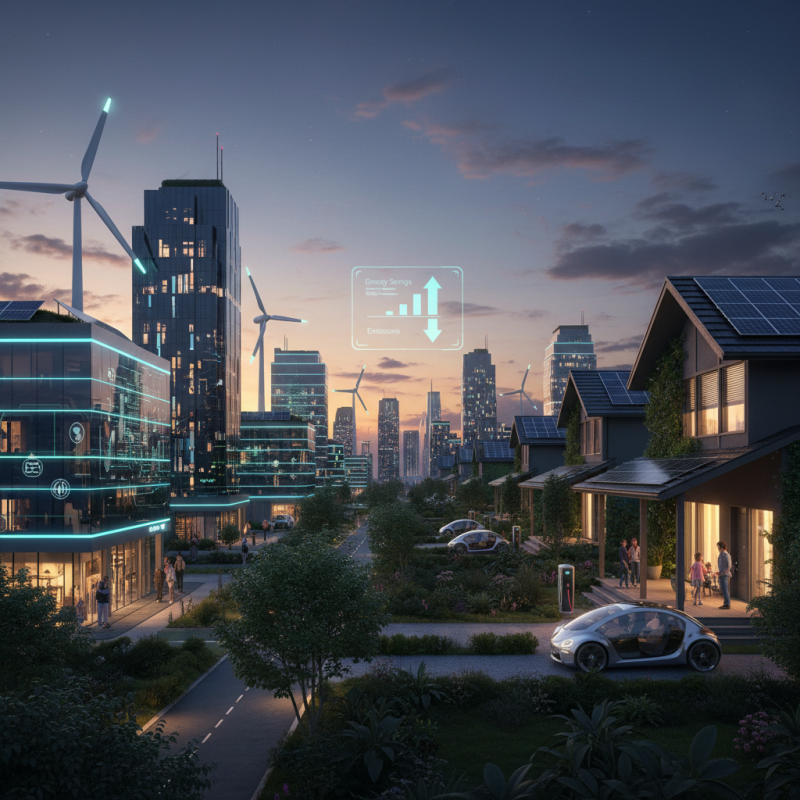
Emerging Technologies Revolutionizing Energy Efficiency in 2025
As we look towards 2025, emerging technologies are set to revolutionize energy efficiency for both businesses and homes. One of the most promising advancements is the integration of
smart energy management systems. These sophisticated platforms utilize artificial intelligence and machine learning to analyze energy consumption patterns, enabling users to optimize their energy use in real-time. By automating adjustments based on occupancy and usage trends, these systems not only reduce waste but also significantly lower energy costs.
Another exciting innovation is the rise of advanced insulation materials, such as aerogel and phase-change materials. These cutting-edge products enhance thermal performance, ensuring that both residential and commercial structures maintain optimal temperatures with minimal energy input. Coupled with smart windows that adjust their tint based on sunlight exposure, these technologies create a more comfortable environment while dramatically decreasing the reliance on heating and cooling systems.
As these technologies become more accessible, their widespread adoption will mark a pivotal shift towards a more sustainable and energy-efficient future.
The Role of Smart Grids in Enhancing Energy Management for Homes
Smart grids are revolutionizing energy management in homes by providing enhanced control and efficiency. These advanced electrical systems utilize digital communication technologies to monitor and manage energy flows between consumers and utilities. This integration allows homeowners to optimize energy usage, significantly reducing waste and costs. Smart grids facilitate real-time data exchange that empowers users to adjust their consumption based on current energy availability and pricing, ensuring they benefit from lower rates during off-peak hours.
Moreover, smart grids support the integration of renewable energy sources, allowing homes to harness solar or wind power more effectively. With smart meters and connected devices, households can track their energy production and consumption seamlessly. This capability not only leads to increased energy efficiency but also contributes to sustainability efforts by minimizing reliance on fossil fuels. As technology advances, homes equipped with smart grid systems can become active participants in the energy ecosystem, promoting resilience, lower emissions, and enhanced energy security.
Sustainable Materials and Their Impact on Energy Consumption
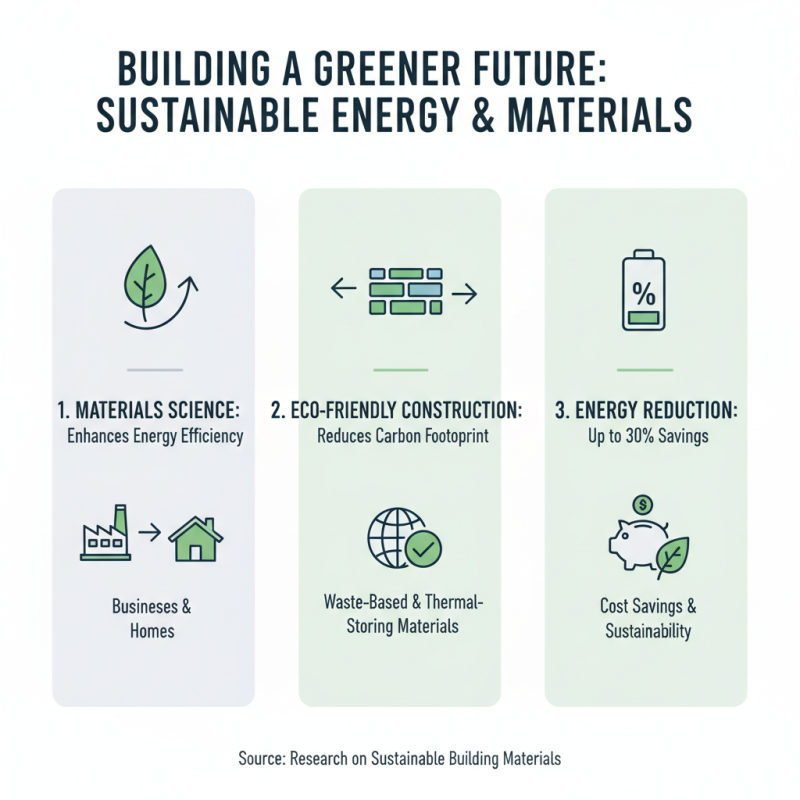
The transition to sustainable energy is increasingly reliant on advancements in materials science, which plays a crucial role in enhancing energy efficiency in both businesses and homes. With the construction sector being a major contributor to greenhouse gas emissions, there is a growing emphasis on using eco-friendly and sustainable materials. Research indicates that implementing waste-based and thermal energy-storing materials in buildings can significantly reduce environmental impacts and energy consumption. For instance, studies demonstrate that using such materials can lower energy demands by up to 30%, presenting a valuable opportunity for both cost savings and sustainability.
Moreover, integrating artificial intelligence with sustainable material development is paving the way for innovative production methods that minimize waste and improve efficiency. This fusion of technology and eco-friendly materials not only optimizes manufacturing processes but also cuts lifecycle emissions, aligning with global sustainability goals. The real estate sector, as highlighted by industry experts, has a pivotal role in this transition by embracing green building practices that utilize advanced sustainable materials. This shift is essential for creating low-carbon urban environments and driving the future of sustainable architecture.
Behavioral Changes: How Lifestyle Adjustments Boost Energy Efficiency
Behavioral changes play a crucial role in enhancing energy efficiency across both businesses and homes. Simple lifestyle adjustments, such as turning off lights when leaving a room, using energy-efficient appliances, and reducing heating or cooling during peak hours, can lead to significant energy savings. These actions not only benefit the environment by decreasing overall energy consumption but also translate into lower utility bills for consumers. The incorporation of data-driven strategies to monitor and promote these behavioral changes can amplify their impact. For instance, smart home technologies can provide insights into energy use patterns, encouraging residents to adopt more energy-conscious habits.
Moreover, initiatives aimed at fostering environmental behavior change can propel communities toward more sustainable practices. Engaging consumers through educational programs that highlight the importance of energy conservation can motivate change on a larger scale. Evidence shows that when individuals see the direct effect of their actions on energy savings, they are more likely to maintain those behaviors long-term. By creating a culture of energy efficiency that emphasizes personal responsibility and actionable steps, both businesses and households can contribute to a more sustainable future while enjoying the benefits of reduced energy costs.
2025 Top Trends in Energy Efficiency for Businesses and Homes
Understanding how lifestyle adjustments contribute to energy efficiency can help both businesses and homeowners make informed decisions. The following chart illustrates the projected impact of various behavioral changes on energy consumption reduction by 2025.
Government Policies and Incentives Driving Energy Efficiency Adoption
As energy efficiency continues to gain traction among businesses and homeowners, government policies and incentives are playing a crucial role in driving adoption. For instance, in India, the government has restructured its foreign trade policies to better support industries focused on green technology. With a commitment to allocating $1 billion to enhance energy efficiency, the Indian government is implementing a carbon tax starting in 2019, aiming to collect approximately $1 billion in the first five years, which will be reinvested in energy efficiency initiatives.
In a similar vein, Australia is proposing new vehicle emissions standards aimed at promoting the production of affordable zero-emission cars. This initiative is projected to save drivers thousands of dollars in fuel costs, underlining how government action can catalyze significant savings for consumers while simultaneously advancing environmental goals. Additionally, advocacy groups in Malaysia are pushing for increased tax incentives for energy efficiency in their rubber glove manufacturing sector, advocating for an incentive ratio of over 60%. These examples highlight a global trend where governments are not only encouraging the adoption of energy-efficient technologies but also providing the necessary financial support to ensure businesses can thrive in a sustainable manner.